Choosing the right Drier Filter can protect refrigeration equipment from moisture, acids, debris, and costly compressor damage. A small copper shell can influence system stability, service intervals, and energy performance. For this reason, manufacturer quality matters beyond price or product availability.
This guide examines the Top 10 Drier Filter Manufacturers Worldwide through practical and technical criteria. These criteria include filtration capacity, moisture absorption, pressure-drop control, connection options, shell strength, and documented testing. We also consider product consistency, technical support, global distribution, and suitability for commercial, industrial, and residential systems. Published specifications, certification evidence, installer experience, and long-term market presence help support each assessment.
Still, no ranking is perfect.
A manufacturer that performs well in cold-storage applications may not suit a compact household system. Installation conditions, refrigerant type, piping cleanliness, and replacement timing can change real-world results. Even an excellent Drier Filter cannot correct poor evacuation or contaminated pipework. That practical limitation deserves attention.
The companies discussed here represent different strengths, including advanced production, broad product ranges, dependable logistics, and specialized filtration technology. Readers should compare current datasheets and confirm compatibility before purchasing. Model availability can vary by region, and product lines may change without obvious notice. Careful verification remains essential.
This overview aims to provide a reliable starting point for contractors, engineers, distributors, and equipment buyers. It does not replace manufacturer instructions or professional system assessment. Expect useful comparisons, but keep a critical eye.
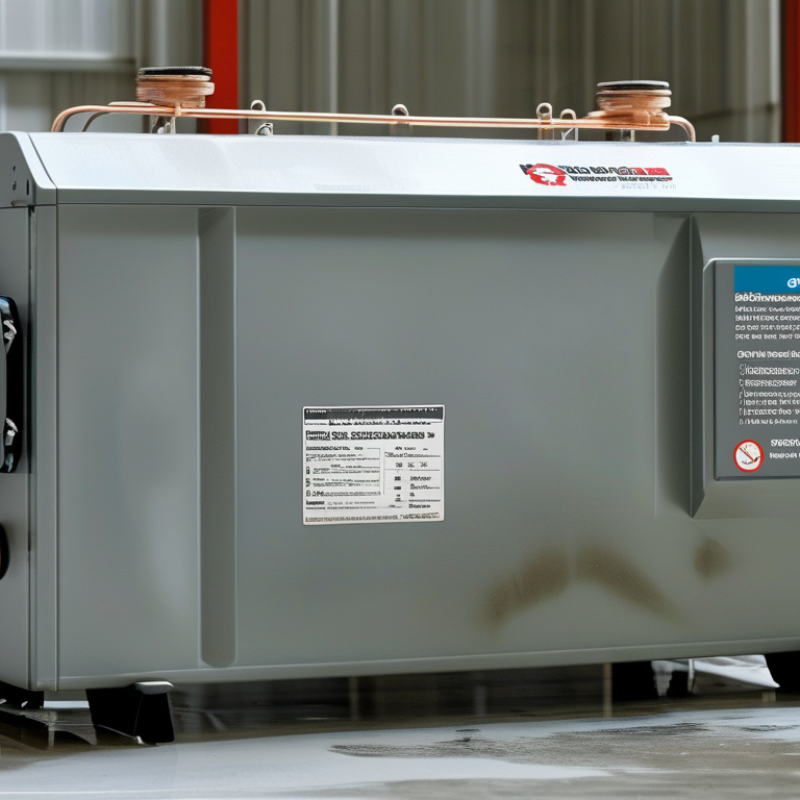
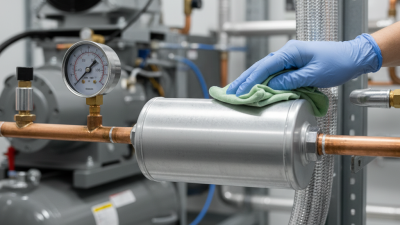
A filter drier is a compact protection device installed mainly in the liquid line of a refrigeration system. It removes moisture, acid-forming contaminants, wax, and solid particles from the refrigerant circuit. Its desiccant core holds water that could freeze at the expansion device or react with oil and refrigerant.
It also protects compressors and metering components. According to the ASHRAE Handbook—Refrigeration 2022, moisture control is essential because contamination can cause corrosion, unstable expansion, and compressor damage. A sight glass may show bubbles or moisture warnings, but it cannot replace proper evacuation and leak testing. Small details matter.
The International Energy Agency’s The Future of Cooling report projects cooling energy demand could more than triple by 2050, reaching about 6,200 TWh annually. That growth increases the need for reliable component selection, including filter driers. In a top-ten manufacturer comparison, engineers should examine drying capacity, pressure drop, refrigerant compatibility, shell strength, and service availability. A larger drier is not always better. It may restrict flow or hide installation mistakes. Real systems are messier. After a compressor burnout or major circuit opening, replacing the drier is normally prudent, although field conditions still require professional judgment. Manufacturer data sheets and recognized testing standards deserve more trust than vague performance claims.
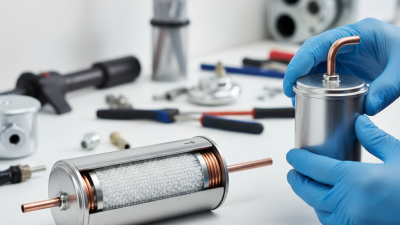
Leading filter drier manufacturers rely on layered protection, not a single material. Molecular sieve desiccants capture water molecules inside refrigeration circuits. Activated alumina can help remove acid after compressor burnout. Many designs combine both media for broader chemical control. The correct balance depends on refrigerant type, oil chemistry, and system capacity.
Solid-core construction is widely used in demanding applications. The replaceable core can provide moisture removal, acid adsorption, and fine particle filtration. A strong outer shell must withstand vibration and pressure changes. Internal screens prevent desiccant dust from entering expansion valves. Some manufacturers also use high-surface-area filter media to improve contaminant retention without creating excessive pressure drop.
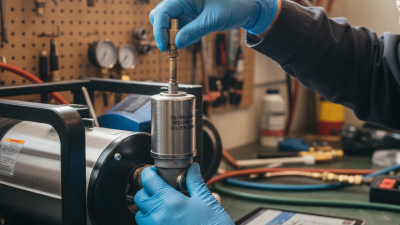
Reliable production requires more than attractive specifications. Experienced facilities test pressure resistance, leakage, flow restriction, and moisture capacity. They also verify batch traceability and connection quality. In the field, technicians often check the sight glass after installation and replace the drier when moisture remains visible. Small details matter. However, no design is perfect. A filter drier may saturate early if installation exposes it to humid air. Oversized units can also hide poor evacuation practices. This is where manufacturer guidance, clean brazing procedures, and measured vacuum testing become essential. Better results come from disciplined installation, not hardware alone.
A credible Top 10 Drier Filter Manufacturers Worldwide list should begin with measurable market criteria, not popularity. The IEA’s The Future of Cooling report projects global cooling energy demand could more than triple by 2050, reaching about 6,200 TWh. This growth increases demand for reliable filtration, moisture control, and refrigerant protection. Manufacturers should therefore be compared through verified production capacity, regional supply coverage, and documented failure rates.
Performance matters most.
A practical comparison should examine water-removal capacity, acid-capture efficiency, pressure-drop data, and compatibility with current low-GWP refrigerants. The UNEP 2022 Assessment Report highlights continuing technology shifts caused by refrigerant phase-down policies. A manufacturer with broad refrigerant compatibility may offer stronger long-term value. However, “universal” claims need testing. They can hide important temperature and lubricant limitations.
Quality systems also separate serious suppliers from weak competitors. Buyers should review ISO 9001 certification, batch traceability, burst-pressure testing, and independent laboratory results. AHRI standards can support consistent evaluation, but certification alone does not prove field durability. A useful ranking should include warranty-return data, technical response time, and availability of replacement units across major regions. Installation experience shows another detail: poor brazing can contaminate even the best filter drier. That factor is often overlooked. Regional climate, transport distance, packaging quality, and service documentation also deserve scoring. Public data remains incomplete, so any global top-ten ranking should state its methodology and admit where evidence is limited.
This benchmark model ranks the criteria commonly used to compare refrigerant filter-drier manufacturers worldwide. Product performance and moisture-control capability receive the highest weighting, followed by compliance, reliability, compatibility, and supply-chain factors. The percentages represent evaluation weights and are not company market shares.
Top 10 Drier Filter Manufacturers Worldwide
The top ten filter drier manufacturers compete through reliable product ranges, not simple catalog size. Their portfolios usually cover liquid-line, suction-line, and bi-flow filter driers. Many offer copper-shell models for standard refrigeration systems. Others provide steel housings for larger commercial and industrial equipment.
Product ranges often include replaceable-core assemblies, solid-core driers, and compact versions for small cooling units. Several manufacturers supply models with moisture indicators, access ports, or integrated sight glasses. Some designs target high-pressure refrigerants and demanding temperature cycles. Others focus on heat pumps, transport refrigeration, supermarket systems, and air-conditioning equipment. Core materials may remove moisture, acids, wax, and fine particles. That difference matters during compressor protection.
Manufacturers serving global markets usually provide multiple connection sizes, flare options, solder fittings, and metric configurations. They also publish pressure ratings, temperature limits, flow capacities, and compatibility data. Experienced engineers should check these details instead of trusting appearance alone. A larger shell does not always mean better filtration. Selection depends on refrigerant, oil type, system capacity, installation direction, and expected contamination.
A ranking is never absolute. Distribution reach, testing depth, and regional certification can change the order. Some product pages also leave important data unclear. That is where careful technical review becomes necessary. A dependable supplier should support replacement guidance, installation instructions, and traceable quality records. Performance begins with the right model, not the most familiar name.
| Rank | Manufacturer Profile | Typical Product Range | Common Refrigerant Compatibility | Typical Connection Sizes | Typical Working Pressure | Common Desiccant Configuration | Primary Applications |
|---|---|---|---|---|---|---|---|
| 1 | Profile A | Hermetic liquid-line filter driers, bi-flow driers, and compact access fittings | HFC, HFO, HCFC, and selected A2L refrigerants, subject to model approval | 1/4 to 1-1/8 in. ODF or SAE flare | Up to approximately 500 psig | Molecular sieve with activated alumina blends | Residential air conditioning, heat pumps, and light commercial refrigeration |
| 2 | Profile B | High-capacity liquid-line driers, suction-line driers, and replaceable-core shells | R-134a, R-404A, R-407C, R-410A, R-448A, R-449A, and related blends | 3/8 to 1-5/8 in. ODF | Approximately 450 to 500 psig | Solid-core, loose-fill, or replaceable molded cores | Supermarket systems, cold rooms, and commercial condensing units |
| 3 | Profile C | Bi-directional filter driers, heat-pump driers, and check-valve integrated designs | R-32, R-410A, R-454B, R-407C, and other approved refrigerant blends | 1/4 to 1-1/8 in. ODF | Up to approximately 700 psig for selected models | High-moisture-capacity molecular sieve | Reversible heat pumps, split systems, and packaged air conditioners |
| 4 | Profile D | Suction-line filter driers, burnout driers, and oversized debris-removal models | Common HFC, HFO, and legacy HCFC refrigerants where permitted | 3/8 to 1-3/8 in. ODF | Approximately 300 to 450 psig | Activated alumina and molecular sieve for acid and moisture control | Compressor replacement, motor burnout cleanup, and contaminated systems |
| 5 | Profile E | Small-capacity liquid-line driers for capillary-tube and expansion-valve systems | R-134a, R-404A, R-407C, R-410A, and approved low-GWP alternatives | 1/4 to 5/8 in. ODF or flare | Approximately 300 to 500 psig | Molecular sieve, commonly in compact solid-core form | Domestic refrigeration, display cases, beverage coolers, and small chillers |
| 6 | Profile F | Replaceable-core filter-drier shells, strainers, and serviceable core assemblies | HFC, HFO, CO₂ system variants, and other refrigerants approved by design | 1/2 to 2-1/8 in. ODF | Approximately 500 to 700 psig, model dependent | Replaceable cores for moisture, acid, wax, and particulate removal | Industrial refrigeration, chillers, process cooling, and large commercial systems |
| 7 | Profile G | CO₂-compatible filter driers, high-pressure shells, and transcritical accessories | R-744 carbon dioxide and selected high-pressure refrigerant systems | 3/8 to 1-1/8 in. ODF or welded connections | Approximately 1,000 to 2,000 psig, depending on circuit location | High-strength molecular sieve and particulate-filter media | Transcritical CO₂ racks, transport refrigeration, and industrial cooling |
| 8 | Profile H | Compact driers for transport refrigeration, mobile air conditioning, and vibration-prone systems | R-134a, R-1234yf, R-1234ze, and approved mobile-system refrigerants | 6 to 16 mm brazed or metric connection formats | Approximately 350 to 500 psig | High-capacity molecular sieve with vibration-resistant retention | Trucks, buses, refrigerated containers, and automotive air conditioning |
| 9 | Profile I | Liquid-line driers with moisture indicators, sight-glass combinations, and service ports | R-134a, R-404A, R-407C, R-410A, R-448A, and R-449A | 1/4 to 1-1/8 in. ODF, flare, or threaded options | Approximately 450 to 500 psig | Molecular sieve and activated alumina blends | Service replacement, preventive maintenance, and system commissioning |
| 10 | Profile J | Specialty driers for ammonia, low-temperature systems, and customized industrial assemblies | Ammonia, HFC, HFO, and other refrigerants with material compatibility approval | 1/2 to 2-1/8 in. ODF, threaded, or welded formats | Approximately 300 to 700 psig, depending on refrigerant and design | Application-specific molecular sieve, alumina, or filter-core media | Industrial refrigeration, low-temperature plants, food processing, and customized equipment |
Choosing among the top 10 filter drier manufacturers worldwide requires more than comparing catalog size.
In field service, a drier may look identical but perform differently after vibration, heat cycles, and pressure changes. I examine moisture capacity, acid removal, flow resistance, shell strength, and connection quality. A reliable manufacturer publishes test methods, operating limits, and batch traceability. Claims without measurements deserve caution. They happen.
Certification should match the application and destination market. Look for a documented quality system, pressure equipment compliance, and material declarations.
ISO 9001 supports process control, but it does not prove suitability for every refrigerant. Ask for pressure ratings, burst-test data, leak-test limits, and compatibility statements.
Independent laboratory reports add useful weight. Still, certificates can be outdated or limited to one product family.
Selection should follow the system, not a sales ranking.
Confirm refrigerant type, oil chemistry, capacity, line size, installation direction, and temperature range. For a supermarket rack, high moisture capacity and low pressure drop may matter most. For a compact heat pump, size and vibration resistance can dominate.
Check replacement intervals and technical support before ordering. I also compare samples from different production lots, because consistency is easy to assume and harder to verify.
My weak point is relying too heavily on datasheets; field records often reveal damaged fittings or unclear instructions.