How to Choose the Right Filter Drier for Your HVAC System?
Choosing the right filter drier for your HVAC system can be complex. As industry expert John Smith once stated, "A correct filter drier is essential for optimal system performance." This emphasizes the importance of making an informed choice.
Filter driers play a crucial role in maintaining HVAC efficiency. They eliminate moisture and contaminants from refrigerants. Improper selection can lead to system failures and costly repairs. You might think all filter driers are the same, but that's not true. Different systems require specific types tailored to their needs. The size and design of the filter drier also matter.
Understanding your HVAC system is key. Each component interacts with the filter drier. Many overlook this connection, leading to suboptimal outcomes. Research is essential. Avoid rushing into a decision. Take time to evaluate your options thoroughly. Choosing wisely can save you both time and money in the long run.
Understanding Filter Driers: Functionality and Importance in HVAC Systems
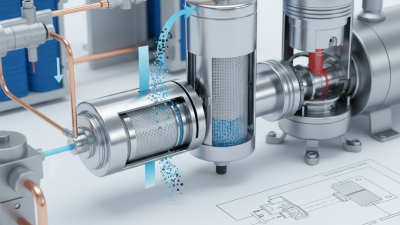
Filter driers play a crucial role in HVAC systems. They protect the system by removing moisture and contaminants from refrigerants. When moisture enters the system, it can lead to corrosion and freezing. This can damage components and reduce efficiency. A reliable filter drier ensures the longevity and performance of the entire system.
Understanding the functionality of filter driers is essential. They typically contain desiccant materials that absorb moisture. When selecting a filter drier, consider the size and application of your HVAC system. Not all filter driers are the same. Some may work better with specific refrigerants. Ensuring compatibility is vital.
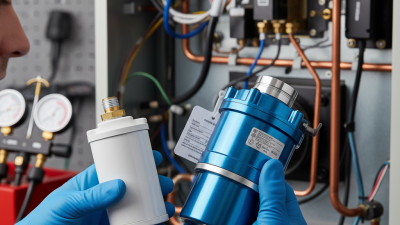
Choosing the right filter drier can be overwhelming. There are many options on the market. Each comes with its unique specifications and performance metrics. Sometimes, the differences are subtle. Reflecting on past experiences, it’s essential to seek guidance from HVAC professionals. They can provide insights based on years of expertise. Making informed decisions leads to better system performance.
Types of Filter Driers: Selecting the Best Fit for Your Refrigerant Type
Choosing the right filter drier for your HVAC system requires careful consideration of the refrigerant type.
Different refrigerants interact uniquely with filter driers. For instance, if your system uses R-410A,
you need a filter drier designed for that specific chemical. Not all driers can handle the same pressures
and characteristics found in various refrigerants.
When selecting a filter drier, consider the system's capacity and its operating conditions.
Some driers work better in high-humidity environments. A common mistake is to underestimate the
importance of moisture removal. Inadequate moisture control can lead to system inefficiency and
lifespan reduction. This oversight can be costly, resulting in more frequent repairs or replacements.
Another critical factor is the size of the filter drier. An oversized unit can impede proper flow,
while an undersized one may not effectively remove contaminants. Many HVAC professionals overlook
these details, leading to subpar performance. Evaluating these factors ensures that you choose the
best fit for your specific application, balancing cost and efficiency effectively. Making informed
decisions will enhance your HVAC system's performance and reliability.
Key Specifications to Consider: Capacity, Size, and Pressure Ratings
Choosing the right filter drier for your HVAC system is crucial. Key specifications play a vital role in this decision. Capacity, size, and pressure ratings can dictate the longevity and efficiency of your system.
Capacity is a primary factor. The right filter drier should match your cooling system's tonnage. For instance, a 5-ton system typically needs a drier with a capacity of around 7-10 cubic feet per minute (CFM). Using an undersized drier can lead to system failure. This could be a costly error, as insufficient filtration may allow moisture to circulate, causing compressor issues.
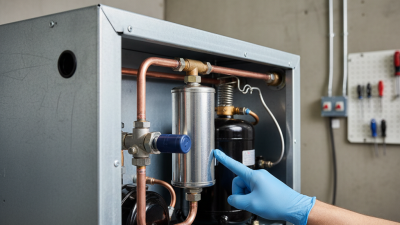
Size also matters. The physical dimensions of the filter drier must fit within your existing system. It should be easily installed without compromising airflow. Many installations face challenges because of space constraints. Consideration of pressure ratings is equally essential. Driers should handle pressures up to 450 psi for high-performance systems. Some reports indicate that an incorrect pressure rating can increase the risk of leaks. These issues can be detrimental, leading to premature wear or catastrophic failure in HVAC systems. Choosing correctly here requires careful assessment and consideration.
How to Choose the Right Filter Drier for Your HVAC System? - Key Specifications to Consider: Capacity, Size, and Pressure Ratings
| Model |
Capacity (BTU/h) |
Size (inches) |
Pressure Rating (psi) |
| Model A |
30,000 |
2 x 12 |
250 |
| Model B |
50,000 |
3 x 15 |
300 |
| Model C |
70,000 |
4 x 18 |
400 |
| Model D |
100,000 |
5 x 20 |
450 |
| Model E |
120,000 |
6 x 24 |
500 |
Impact of Moisture and Contaminants: Why Quality Matters in Filter Driers
Moisture and contaminants are significant threats to HVAC systems. They can cause corrosion and damage components over time. A quality filter drier is essential for blocking these harmful particles. It works by absorbing moisture and trapping debris. Choosing the right filter drier helps maintain system efficiency and prolongs lifespan.
Understanding the impact of moisture is critical. Even small amounts can lead to serious issues. It creates acid, which can damage metal parts. Contaminants can clog expansion devices, leading to refrigerant flow issues. This can result in reduced cooling efficiency. Investing in high-quality filter driers can prevent these problems, ensuring that your HVAC system operates smoothly.
A common mistake is assuming all filter driers are equal. Different systems require specific types based on design and capacity. Not doing adequate research may lead to improper filtration and expensive repairs later. Take the time to consult experts for the best match. Your HVAC system will thank you.
Maintenance Tips for Longevity: Ensuring Optimal Performance in HVAC Systems
Maintaining your HVAC system is crucial for optimal performance and longevity. Regular check-ups can prevent costly repairs. A well-maintained filter drier ensures that your system runs efficiently. Refrigerant quality is essential, as impurities can clog the filter drier. Always replace your filter drier when servicing the system to avoid future problems.
Monitoring the refrigerant levels is key. Low refrigerant can indicate leaks, which must be addressed promptly. Additionally, clean the condensate drain regularly. A clogged drain can lead to water damage and ineffective cooling. Keep an eye on the unit's temperature. Significant fluctuations might signal underlying issues needing professional attention.
Remember, even the best systems need occasional reflection on their performance. If you notice any unusual sounds or smells, investigate immediately. Performing regular inspections helps identify minor issues before they escalate. Consistency in maintenance routines can lead to a significant impact on your HVAC system's lifespan.
How to Choose the Right Filter Drier for Your HVAC System?
This bar chart illustrates the efficiency ratings of different types of refrigerant for HVAC systems. Choosing the right filter drier based on the refrigerant type can significantly impact the system's performance and longevity.