How to Choose the Right AC Filter Drier for Your System?
Choosing the right AC filter drier is crucial for optimal system performance. According to the U.S. Department of Energy, improper selection can lead to a 30% decrease in efficiency. An AC filter drier serves to remove moisture and contaminants, ensuring the refrigerant flows smoothly. Selecting the wrong model may lead to system failures or increased maintenance costs.
It's important to understand your specific system requirements. Factors like refrigerant type, system size, and operating conditions play a significant role in choosing an appropriate AC filter drier. The wrong choice can cause severe issues, such as restricting airflow or even damaging compressor components. Research indicates that 60% of HVAC failures are linked to poor filtration or moisture control.
Investing in a quality AC filter drier may seem daunting, but it is necessary. Assessing product specifications, consulting industry guidelines, and seeking advice from professionals can guide selection. Remember, the correct AC filter drier is pivotal to the longevity and efficiency of your system. It's an area that merits attention and reflection to ensure reliability in heating and cooling performance.
Understanding the Role of AC Filter Driers in HVAC Systems
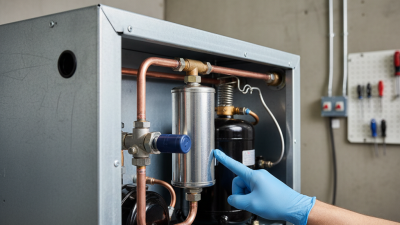
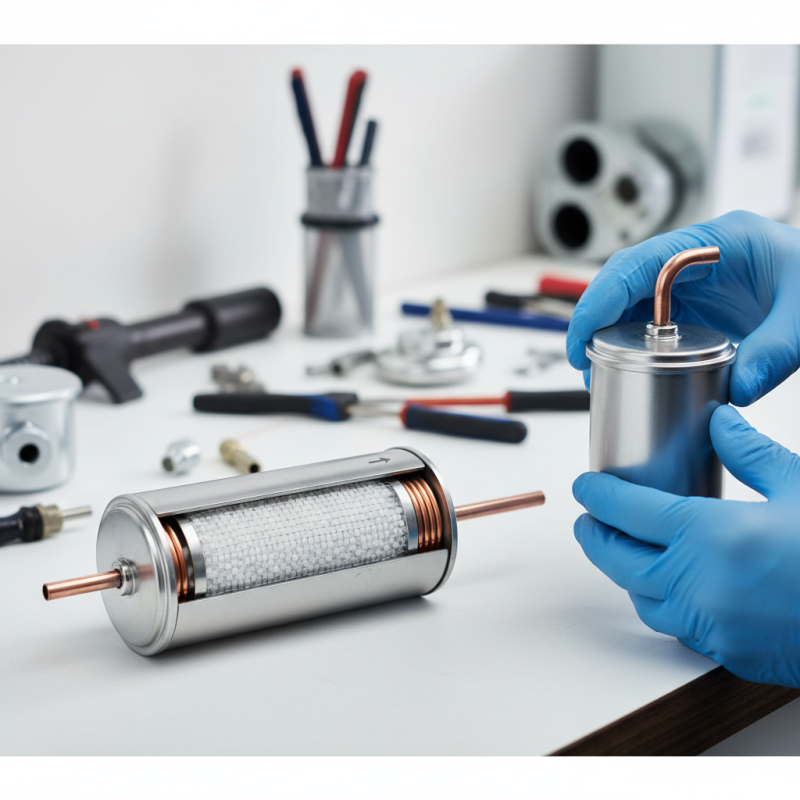
In HVAC systems, AC filter driers play a vital role in maintaining efficiency. They ensure the refrigerant remains clean and dry, preventing moisture from causing corrosion. Moisture can lead to ice formation, which disrupts airflow and affects overall performance. A well-functioning drier traps contaminants and absorbs moisture, protecting the compressor and enhancing system longevity.
Choosing the right filter drier is crucial. Different systems may require specific types based on their refrigerants. Understanding compatibility is essential. For instance, some filter driers are designed for high-pressure systems, while others are meant for low-pressure applications. Misalignment can lead to inefficiencies, and even potential system failure.
It's also important to regularly inspect and replace filter driers as needed. Signs of a failing drier can include decreased airflow or unusual system noises. Waiting too long for replacements can lead to more significant issues. Rethinking maintenance schedules and being proactive can save costs in the long run.
Key Factors to Consider When Selecting an AC Filter Drier
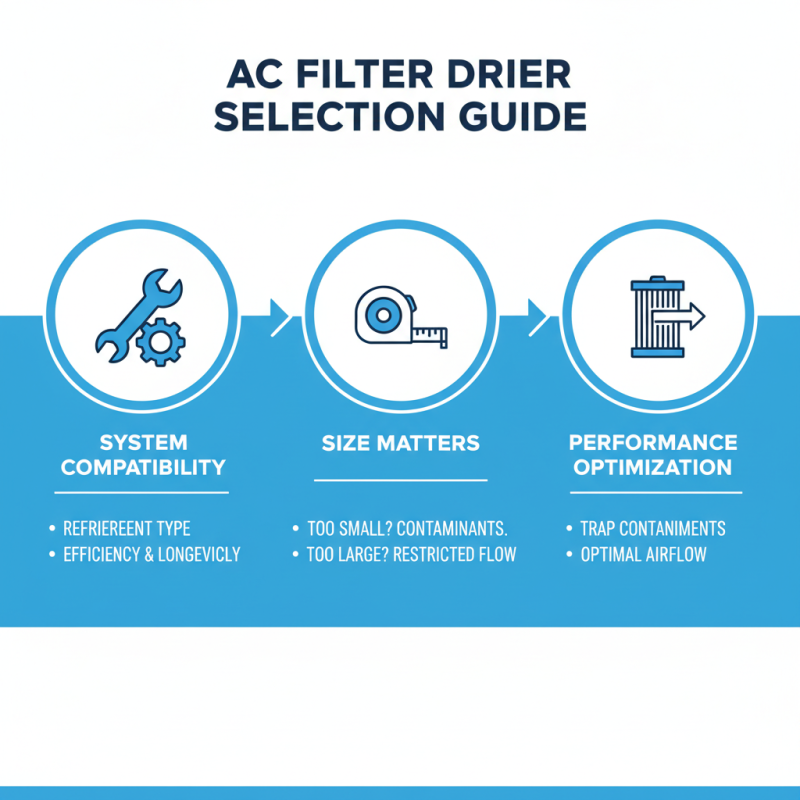
When selecting an AC filter drier, several key factors come into play. The compatibility with your system is crucial. Ensure that the filter drier matches the refrigerant type used in your AC system. This compatibility directly affects efficiency and longevity. Consider the size as well, as a mismatched size can hinder performance. Too small? It may not trap enough contaminants. Too large? It can restrict airflow.
Another vital aspect is the moisture control. A good filter drier must effectively remove moisture from the refrigerant. Excess moisture can lead to corrosion and system failure. Look for models with a proven track record of moisture removal. It's also worth reflecting on the installation process. Some products may require additional tools or expertise, which can complicate matters.
Don't overlook the manufacturer’s reputation. Choosing a well-regarded brand can offer peace of mind. Recommendations from trusted technicians can also guide your decision. However, remember that no product is flawless. Personal experiences vary, so it's wise to research extensively. Balancing your budget with quality is essential, but cheap options often lead to regrets later.
Types of Filter Driers: Desiccant vs. Solid Core and Their Applications
Choosing the right AC filter drier is critical for efficient system operation. The main types are desiccant and solid core filter driers. Each type serves specific applications. Desiccant filter driers use hygroscopic materials to absorb moisture. They are effective for systems with high humidity. According to industry reports, these driers can remove up to 100% of moisture in certain conditions.
Solid core filter driers utilize a solid filtering medium for debris removal. They are typically used in refrigeration systems. These filters provide great protection against contaminants. Notably, they play a role in extending the lifespan of compressors and other vital components. Studies indicate that a solid core can enhance system efficiency by up to 20%.
**Tip:** Always ensure compatibility between your filter drier and system requirements.
Another consideration is the environment. Desiccant driers are suited for low-temperature applications, while solid core types function better at higher temperatures. Inadequate filter choice can lead to compressor malfunction. Reviewing manufacturer specifications is essential for optimal performance.
**Tip:** Regularly check and replace filter driers based on operating conditions.
These insights help maintain your system's reliability. Proper understanding and selection can mitigate issues arising from moisture and contaminants.
How to Choose the Right AC Filter Drier for Your System?
| Type of Filter Drier |
Description |
Applications |
Pros |
Cons |
| Desiccant |
Uses hygroscopic materials to absorb moisture. |
Refrigeration systems, HVAC units. |
Highly effective in low humidity, compact size. |
May require replacement more frequently, sensitive to high moisture loads. |
| Solid Core |
Contains a solid filtering material designed to trap contaminants. |
Commercial air conditioning, larger refrigeration systems. |
Durable, offers longer service life, less frequent replacement. |
Less effective in very humid conditions, may require larger space. |
| Combination |
Integrates both desiccant and solid core technologies. |
Hybrid systems, varying humidity environments. |
Versatile, effective in a variety of conditions. |
More complex and potentially costly, size may vary. |
Industry Standards and Specifications for AC Filter Drier Performance
When selecting an AC filter drier, understanding industry standards is crucial. The American Society of Heating, Refrigerating, and Air-Conditioning Engineers (ASHRAE) outlines performance criteria that must be met. High-quality filter driers should effectively trap moisture, contaminants, and particulates. According to a 2021 industry report, systems can experience a 15% decrease in efficiency due to moisture. Proper filtration can help maintain optimal performance.
Filter driers are rated by their ability to absorb moisture and pollutants. A good drier should have a desiccant material that meets specific absorption standards. The Society of Automotive Engineers (SAE) also emphasizes the need for compatibility with various refrigerants. Incompatible materials can lead to system failure and costly repairs. Industry data suggests that almost 30% of compressor failures result from moisture intrusion. This statistic highlights the importance of choosing the right product.
Installation and maintenance play significant roles in the performance of a filter drier. Improper installation can void warranties and reduce effectiveness. Regular checks are essential to ensure the drier is functioning as intended. Many technicians recommend inspecting filter driers at least once a year. System operators must be proactive in monitoring health and efficiency. This attention to detail can prevent expensive breakdowns and prolong system life.
Performance Comparison of AC Filter Driers
Impact of Proper Filter Drier Selection on System Efficiency and Longevity
Choosing the right filter drier is crucial for maintaining HVAC system efficiency. A well-selected filter drier removes moisture, acids, and debris from refrigerants. This is vital, as moisture can lead to corrosion and component failure. Studies indicate that improper filtration can reduce system efficiency by up to 30%.
Filter driers contribute significantly to system longevity. According to industry reports, systems with properly sized and rated driers can last 20% longer on average. This reduction in wear and tear means fewer repairs and downtime. Additionally, the right drier helps maintain refrigerant charge, optimizing energy usage. A smaller investment in a suitable filter drier often leads to greater savings in maintenance costs.
However, not all applications are the same. Factors such as refrigerant type, system size, and environmental conditions must be considered. A mismatch between the filter drier and the system can create issues. Over-sizing or under-sizing can disrupt flow rates and lead to inefficiencies. Always assess specific needs before making a choice.