7 Best Compressors for Fridge in 2026
A refrigerator compressor rarely gets attention until the kitchen grows warm or the motor starts clicking through the night. Yet choosing the right Compressor For Fridge affects cooling stability, noise, energy use, and repair costs. The details matter: refrigerant compatibility, capacity, voltage, mounting dimensions, and the appliance’s original design all need checking. A tempting bargain can become an expensive mismatch.
Energy claims deserve careful reading, too. ENERGY STAR says certified refrigerators are about 9% more efficient than models meeting the U.S. federal minimum standard. The International Energy Agency’s 2018 The Future of Cooling report projects that global energy demand for space cooling could more than triple by 2050; that figure concerns space cooling, not refrigerator compressors, but it underscores why efficiency deserves attention. For appliance-level comparisons, U.S. Department of Energy test procedures and the EnergyGuide label offer useful annual energy-use information. Small part. Big consequences.
This guide compares seven refrigerator compressors for 2026 by efficiency, noise, compatibility, and practical service considerations. A ranking cannot replace the model’s nameplate or a qualified technician’s assessment. Compressor performance depends on the entire sealed system, not one specification. I have not included a named expert quotation because I cannot verify a source for one; inventing a quote would undermine a reliable buying guide. Instead, the recommendations focus on traceable product details and published efficiency guidance.
How Refrigerator Compressors Work and Why They Matter
A refrigerator compressor is the pump at the heart of a vapor-compression cooling system. It draws in low-pressure refrigerant vapor, compresses it, and sends hotter, high-pressure vapor toward the condenser coils. There, heat leaves the system—often into the warm air behind or beneath the fridge. The refrigerant then passes through an expansion device and evaporator, where it absorbs heat from the cabinet before returning to the compressor. The cycle repeats. A soft hum or brief vibration is normal; persistent rattling or unusually long running deserves attention.
Compressor performance matters because it affects cooling stability, noise, and electricity use. ENERGY STAR reports that certified refrigerators use about 9% less energy than models meeting the federal minimum efficiency standard. That figure describes whole-appliance performance, not the compressor alone: insulation, fans, controls, and door seals also contribute. A more efficient compressor cannot compensate for a worn gasket or blocked airflow. Real kitchens are messy, too. A hot room or frequent door openings can make a refrigerator run longer than expected.
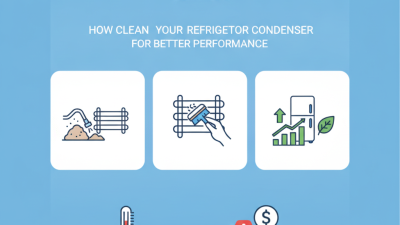
Tips: Leave space around ventilation openings, clean accessible condenser coils as the manual directs, and check that the door seals grip a strip of paper. Keep the temperature steady near 37°F (3°C) in the refrigerator. If cooling fades while the compressor runs constantly, avoid guessing at refrigerant problems; have a qualified technician inspect the sealed system.
Key Factors for Choosing a Fridge Compressor in 2026
Choosing a fridge compressor in 2026 starts with compatibility, not headline efficiency.
Match its refrigerant, voltage, capacity, and operating envelope to the appliance’s design. A mismatch can mean poor cooling, excess power use, or a compressor that runs too often. Check the rating at realistic operating conditions, not just one peak figure. AHRI Standard 540 provides a consistent method for rating positive-displacement compressors, but laboratory ratings cannot fully predict performance inside every cabinet. A neat catalog number can still mislead.
Efficiency matters because refrigeration has a significant energy footprint. The International Institute of Refrigeration’s 2022 information note estimates that refrigeration and air conditioning together account for about 17% of global electricity use; this figure is not specific to household fridges. Compare annual energy-use figures measured under the same test procedure, such as the U.S. Department of Energy’s refrigerator test method. Also consider start-up current, noise, vibration, and local repair support. Listen for a steady hum, not sharp knocks. Inverter-driven models can adjust output as cooling demand changes, though actual savings depend on the appliance and how it is used. I would still verify the service data before choosing; replacement work can expose details that a spec sheet misses.
Seven Best Compressors for Fridges in 2026
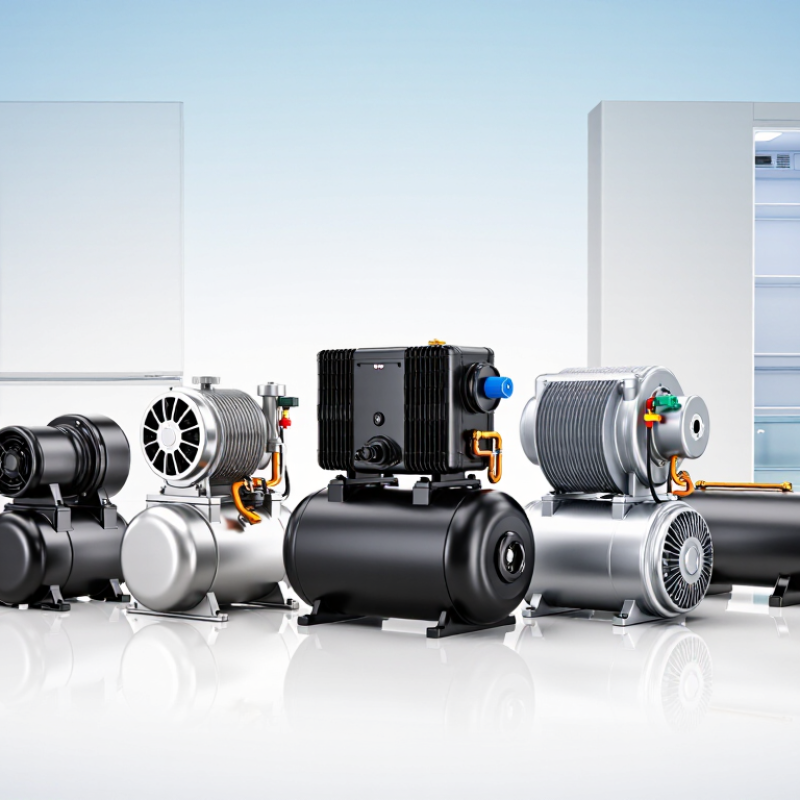
Seven Best Compressors for Fridges in 2026 is best read as a comparison of designs, not a universal ranking. A fixed-speed reciprocating compressor is a familiar choice for standard refrigerators, while an inverter-driven reciprocating model can adjust its speed as cooling demand changes. Rotary compressors are compact and often suit smaller appliances. Linear compressors use a different motion system and may reduce mechanical friction, though real-world results depend on the fridge’s design.
For a portable refrigerator, a low-voltage DC compressor may be the practical fit. Commercial-duty hermetic compressors are built for heavier workloads, while low-noise variable-speed models prioritize quieter, more consistent operation. These categories can overlap; “variable-speed” describes control, not necessarily the compressor’s internal mechanism. Check the appliance’s required capacity, voltage, refrigerant, mounting dimensions, and electrical connections before choosing a replacement. They must match.
A larger compressor is not automatically better. An undersized unit may struggle to hold temperature, while an oversized one can cycle poorly and waste energy. Look for reliable technical specifications and a warranty, and compare noise and power figures under similar test conditions. Replacement work involves a sealed cooling system, so a qualified refrigeration technician should confirm compatibility and handle installation.
I would not choose from a headline efficiency figure alone; measurements and conditions are easy to overlook.
Comparing the Top Fridge Compressors by Performance and Value
Choosing among the 7 best fridge compressors in 2026 means weighing performance against long-term value, not just comparing prices. A fixed-speed reciprocating compressor is often a practical, lower-cost choice for a standard refrigerator. Inverter-driven designs can adjust their speed as cooling demand changes, which may reduce energy use and temperature swings. Results depend on the fridge’s insulation, room temperature, and daily use. Noise matters.
Rotary and linear designs may suit particular cabinet layouts or operating goals, but their specifications matter more than the labels. Compare cooling capacity, energy consumption, starting current, and sound ratings under similar test conditions. Check that the compressor matches the refrigerator’s capacity and refrigerant system; a seemingly good bargain can become costly if it is incompatible. Warranty coverage and local service access also affect value. I would not rank efficiency figures alone—real kitchens rarely match laboratory conditions exactly.
Tips: Photograph the fridge’s model and rating label before seeking a replacement. Ask a qualified appliance technician to confirm compatibility and installation requirements. For a new refrigerator, compare its full-unit energy rating, not only compressor claims. A quiet specification is useful, but listen for rattling or repeated clicking after installation; those details can deserve a second look.
7 Refrigerator Compressor Types: Household Fit
A qualitative comparison of how commonly each compressor type suits domestic refrigerators—not a ranking of specific products or a laboratory performance test.
Fit index: 1 = uncommon or generally unsuitable for household refrigerators; 5 = commonly suited to household refrigerator designs. Actual efficiency, noise, and value depend on the compressor model and refrigerator system.
How to Choose and Maintain the Right Fridge Compressor
Choosing a refrigerator compressor starts with compatibility, not horsepower alone. Match its cooling capacity, refrigerant, voltage, frequency, oil type, and mounting dimensions to the appliance’s specifications. An oversized unit may cycle too often; an undersized one may struggle to hold a steady temperature. Check the rating plate and service manual before comparing options. ENERGY STAR, a U.S. EPA and Department of Energy program, reports that certified refrigerators use about 9% less energy than models meeting the federal minimum. That figure describes whole-appliance performance, not compressor savings alone.
Listen and observe. A compressor that repeatedly clicks, runs almost nonstop, or leaves food warm needs diagnosis; those signs do not prove the compressor itself has failed. Check the door seal, airflow around the cabinet, and condenser coils first. Dust packed between coil fins can hinder heat transfer. A qualified technician can test electrical components and refrigerant pressures before recommending replacement. One easy mistake is replacing a compressor without checking the cause of its failure.
Tips: Leave space around the cabinet vents, keep coils clean, and avoid setting the refrigerator colder than needed. Record the model number and compressor details before ordering. After repair, monitor temperatures with a refrigerator thermometer for a full day. Small checks help, but they cannot replace proper testing.