Why is Your Refrigerator Condenser Important for Efficiency?
The efficiency of your refrigerator largely hinges on one crucial component: the Refrigerator Condenser. As Sarah Johnson, a leading expert in refrigeration technology, states, "A well-maintained condenser can significantly reduce energy consumption." Understanding this, consumers can take steps to improve their refrigerator's performance and save on energy costs.
The Refrigerator Condenser plays a vital role in cooling the appliance. It dissipates heat from the refrigerant, allowing it to cool and cycle back into the system. However, many people do not fully appreciate its importance. Dust and debris can accumulate around the condenser coils, hampering efficiency. This oversight might lead to increased energy bills and potential appliance failure.
Regular maintenance is key for optimal performance. Cleaning the condenser coils and ensuring proper airflow can help avoid common pitfalls. Ignoring these tasks may result in larger issues down the line. Remember, the state of your Refrigerator Condenser directly impacts not just efficiency but also your overall comfort at home.

Understanding the Role of the Refrigerator Condenser in Cooling Systems
The refrigerator condenser plays a crucial role in any cooling system. It is responsible for dissipating heat removed from the interior. When the refrigerant circulates through the condenser coils, it releases heat into the surrounding air. This process allows the refrigerant to cool and transform back into a liquid state, making it essential for efficient operation.
A well-functioning condenser improves energy efficiency. If the coils are dirty or blocked, they cannot dissipate heat effectively. This situation forces the compressor to work harder, increasing energy consumption. Regular maintenance ensures that the condenser operates optimally. Neglecting this component can lead to higher electricity bills and reduced cooling performance.
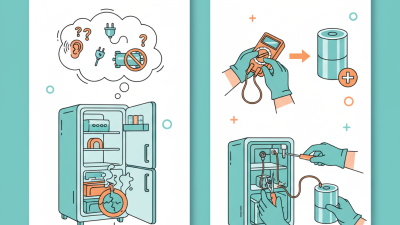
Understanding the specifics of your refrigerator condenser can enhance system reliability. It’s vital to monitor for signs of wear and tear, such as unusual noises or fluctuating temperatures. Ignoring these indicators could lead to potential breakdowns. Being proactive in maintenance decisions can save costs in the long run. Remember, a small issue today may escalate into a bigger problem tomorrow.
How the Condenser Works to Remove Heat from the Refrigeration Cycle
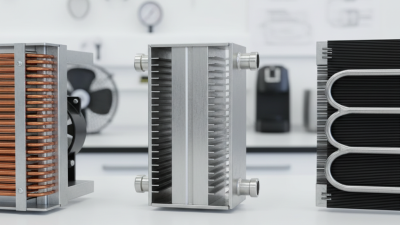
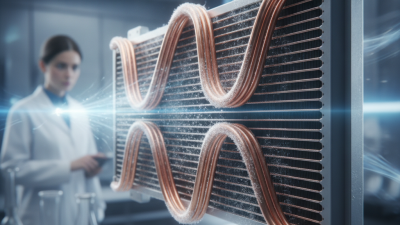
The condenser plays a crucial role in the refrigeration cycle. It is responsible for removing heat from the refrigerant. This process occurs after the refrigerant has absorbed heat inside the refrigerator. As it flows to the condenser, the refrigerant releases the gathered heat to the surrounding air. This heat exchange is vital for maintaining the desired cooling effect inside your appliance.
Understanding how the condenser works is essential for efficiency. When proper airflow surrounds the condenser, heat removal improves. Dust and debris on the coils can obstruct this airflow. As a result, the condenser must work harder, consuming more energy. Regular maintenance is important to ensure optimal performance.
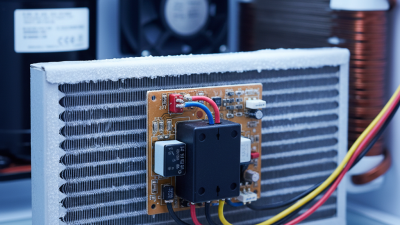
Heating up too much can indicate problems. If the condenser overheats, it can lead to system failure. Observing any unusual noises or changes in temperature can be helpful. Keeping your refrigerator's condenser clean is an essential practice. Ignoring this task may lead to higher energy bills and reduced lifespan of your appliance.
Why is Your Refrigerator Condenser Important for Efficiency? - How the Condenser Works to Remove Heat from the Refrigeration Cycle
| Parameter |
Value |
Impact on Efficiency |
| Condenser Size |
24 inches x 15 inches |
Larger size improves heat dissipation |
| Coil Material |
Copper |
Higher thermal conductivity; enhances performance |
| Fan Efficiency |
80% efficiency |
Improves airflow, aiding in heat removal |
| Operating Temperature |
85°F ambient |
Higher temperatures can reduce efficiency |
| Energy Consumption |
350 kWh/year |
Efficient condensers lower energy use |
Impact of Condenser Efficiency on Energy Consumption and Costs
The efficiency of your refrigerator’s condenser directly impacts energy consumption. A well-functioning condenser can significantly reduce your electricity bill. When the condenser operates properly, it cools refrigerant efficiently. This means less energy is required to maintain the desired temperature inside the fridge. In contrast, a dirty or faulty condenser can lead to higher energy costs.
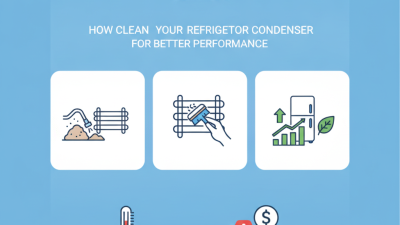
Tips: Regularly clean the condenser coils. Dust and dirt can hinder efficiency. Check for any blockages that may restrict airflow. Keeping the coils clean can improve performance.
Moreover, the age of your refrigerator matters. Older units may not be as efficient as newer models. Consider whether it’s time to replace. An inefficient condenser not only wastes energy, but it may also lead to costly repairs down the line. Therefore, maintaining your refrigerator’s condenser is vital for efficiency and long-term savings.
Tips: Monitor your fridge’s temperature regularly. If it fluctuates, check the condenser. Address issues promptly to avoid unnecessary costs.
Common Issues That Can Affect the Performance of Refrigerator Condensers
The condenser of your refrigerator plays a crucial role in maintaining efficiency. However, it can face common issues that undermine performance. One significant problem is dust accumulation. When dust settles on the condenser coils, it impairs heat transfer. This inefficiency can lead to higher energy bills and increased wear on the system. Regular cleaning can help avoid this.
Another frequent issue is poor airflow. Blocked vents restrict air circulation, causing the condenser to work harder. This can lead to overheating, which may damage the compressor. Ensure there’s enough space around your fridge. If it's too close to walls or other appliances, it can struggle to dissipate heat effectively.
Lastly, refrigerant leaks can pose a serious threat to condenser performance. These leaks can reduce cooling efficiency, leading to spoilage of food. Identifying the signs of a refrigerant leak early can save you time and money. Pay attention to hissing sounds or a noticeable decrease in cooling. Taking proactive steps will help maintain the health and efficiency of your refrigerator's condenser.
Maintenance Tips for Keeping Your Refrigerator Condenser in Optimal Condition
Your refrigerator condenser plays a crucial role in its overall efficiency. Keeping this component in optimal condition is essential for lowering energy costs and extending the lifespan of your appliance. Here are some tips to maintain your fridge's condenser effectively.
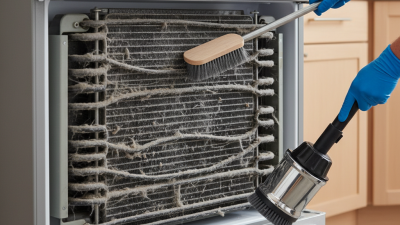
Regular cleaning is a must. Dust and debris can accumulate on the coils, reducing efficiency. Disconnect your fridge and use a vacuum or a brush to remove dirt gently. This simple task can significantly improve cooling performance. Check the condenser's location too. If it's in a cramped space, ensure there's enough airflow around it. Overheating can lead to premature wear.
Monitor the temperature settings. If your fridge is consistently too cold or too warm, it may indicate a problem with the condenser. Keeping the right temperature not only preserves your food but also minimizes wear on the appliance. It's worth double-checking the seals on the refrigerator door, too. Leaky seals can lead to energy loss and extra strain on the condenser.
Be mindful of these maintenance practices. Small, consistent efforts can yield substantial results over time. If you notice unusual noises or inefficiency, it may signal a deeper issue. Regular vigilance often prevents bigger problems from arising.