Leave Your Message

10 Tips for Choosing a Compressor for Fridge

Choosing the right Compressor For Fridge affects cooling performance, energy use, noise, and long-term reliability. A refrigerator may look simple, but its compressor works through every hot afternoon and cold night. The wrong model can create uneven temperatures, frequent cycling, or expensive service calls. This guide explains ten practical considerations before you purchase or replace one.

The process begins with the refrigerator’s size, refrigerant, electrical rating, and cooling design. Check the manufacturer’s data plate, not only the seller’s description. Capacity matters. A compressor that is too small may run continuously, while an oversized unit may cycle poorly. Voltage, frequency, starting current, and mounting dimensions also need careful comparison. Even a quiet compressor can become loud when installed on worn rubber mounts. Small details matter.

Real repair experience shows that compatibility often matters more than impressive advertising claims. Look for verified specifications, clear warranty terms, and support from an established manufacturer or qualified technician. Energy efficiency should be judged under comparable testing conditions, because labels and regional standards can differ. Some advice online sounds convincing but lacks measurements. Be cautious. Before making a decision, consider ambient temperature, door-opening habits, freezer load, and ventilation around the cabinet. These factors can change actual performance significantly. The ten tips ahead will help you compare options logically, avoid common installation mistakes, and recognize when professional assessment is safer than guesswork. Perfect choices are rare. Careful choices work better.
10 Tips for Choosing a Compressor for Fridge

Understanding the Compressor’s Role in a Refrigerator

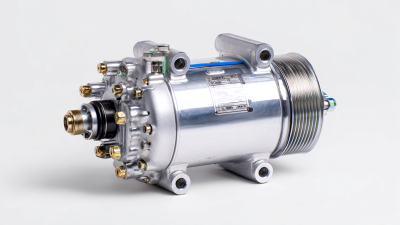
A refrigerator compressor is the system’s working heart. It raises refrigerant pressure, sends heat outside, and keeps the cabinet cold. Without stable compression, food temperature rises quickly. The U.S. Department of Energy reports that refrigerator-freezers remain a noticeable part of household electricity use. ENERGY STAR data also shows certified models use about 9% less energy than federal minimum standards. These figures make compressor selection more than a technical detail.

Tip 1: Match cooling capacity to cabinet volume and climate. An oversized compressor may cycle poorly and waste energy.
Tip 2: Consider a variable-speed design. It can adjust output during quiet nighttime operation or heavy loading.
Tip 3: Check refrigerant and oil compatibility carefully.
Tip 4: Review starting torque, especially for freezers used in hot rooms.
Tip 5: Compare rated efficiency under realistic ambient temperatures, not laboratory conditions alone.
Tip 6: Measure operating noise near sleeping or working areas.
Tip 7: Confirm condenser airflow and discharge temperature limits.
Tip 8: Examine controller compatibility before installation.
Tip 9: Choose a compressor with accessible service information.
Tip 10: Check expected duty cycles and warranty terms.

I once focused too heavily on purchase price. That was a mistake. A cheaper compressor can create higher energy bills, vibration, or unstable temperatures.

The International Energy Agency continues to identify cooling efficiency as an important energy-saving opportunity, but field performance depends on installation, airflow, and maintenance. Perfect data is rare. Careful matching matters more.

Matching Compressor Capacity to Cooling Requirements

Matching compressor capacity to cooling requirements is more important than choosing the largest motor. An oversized compressor may cool quickly, but it can cause short cycling, unstable temperatures, and unnecessary startup stress. Calculate the design load from product heat, wall conduction, door openings, fan motors, lighting, and defrost recovery. A busy restaurant refrigerator needs a different capacity from a sealed laboratory cabinet.

Use the evaporating and condensing temperatures shown in the compressor performance table. Do not compare horsepower alone. For example, a cabinet requiring 600 watts of cooling at its design condition should use a compressor rated near that load, with a practical safety margin for hot rooms and frequent door openings. The margin should be measured, not guessed. The U.S. Department of Energy’s refrigerator test procedures show why standardized operating conditions matter when comparing energy performance. ENERGY STAR criteria also require qualifying refrigerators to exceed minimum efficiency standards by at least 10 percent.

The IEA’s The Future of Cooling report projects that global cooling electricity demand could more than triple by 2050. That pressure makes efficient capacity matching increasingly valuable. Field experience shows that poor airflow, dirty condensers, and incorrect refrigerant charge can imitate an undersized compressor. Check these issues before increasing capacity. I would also review the load calculation after installation; real door-opening patterns often differ from design assumptions. A slightly conservative selection may be sensible, but excessive capacity remains a costly shortcut.

Checking Refrigerant Compatibility and Energy Efficiency

Choosing a refrigerator compressor starts with refrigerant compatibility, not cabinet size. Check the compressor’s approved refrigerant, oil type, pressure range, and electrical rating. A matching refrigerant alone is not enough.

The oil must circulate correctly through the sealed system. Poor oil compatibility can cause wear, blocked passages, or difficult starting. Check the pressure-temperature relationship at the evaporator and condenser. The compressor must also match the refrigerator’s cooling capacity and expected ambient temperature.

Energy efficiency deserves equal attention. Compare rated power, cooling output, coefficient of performance, and efficiency at realistic operating conditions. A compressor may look efficient on a laboratory sheet but consume more energy in a hot kitchen. Measure running current after the refrigerator reaches a stable temperature. Listen for repeated starts. They may reveal an oversized compressor, weak starting equipment, or poor control settings.

Variable-speed models can reduce cycling losses, but only with compatible electronics and control signals. Incorrect matching creates noise and wasted power. I once focused too heavily on rated wattage and overlooked the system’s operating envelope. That was a useful mistake. Efficiency depends on the compressor, refrigerant charge, tubing, airflow, door seals, and condenser cleanliness.

Check the service documentation carefully. Confirm certification data, test conditions, replacement oil, and safe charging procedures. When information conflicts, pause and verify it with a qualified refrigeration technician. Small specification differences matter.

Evaluating Noise, Size, Reliability, and Installation Needs

Choosing a compressor for a fridge requires more than matching voltage and cooling capacity. In repair work, I have seen quiet units fail early because installation conditions were ignored.

Tip 1: Measure the available space, including service clearance. A compact compressor still needs airflow around its housing. Tip 2: Check the noise rating carefully. A low hum may seem acceptable in a kitchen, but vibration against a metal panel can sound much louder. Tip 3: Inspect the mounting points and rubber isolators. Worn or rigid supports often create unnecessary rattling. Tip 4: Match the compressor with the refrigerant and system capacity. A powerful unit can increase cycling and energy use.

Tip 5: Consider the room temperature. Compressors installed in warm, poorly ventilated corners work harder. Tip 6: Ask about expected service life, not just the warranty period. Reliability depends on operating pressure, lubrication, and maintenance quality. Tip 7: Confirm electrical requirements before purchase. Incorrect starting current can damage protective components. I once underestimated this detail. It caused repeated start failures.

Tip 8: Review the installation instructions with a qualified technician. Pipe length, suction-line insulation, and brazed joints affect performance. Tip 9: Leave room for future servicing, even if the cabinet looks crowded today. Tip 10: Listen after installation. A steady, soft vibration is normal; clicking, knocking, or rapid cycling deserves inspection. Test it under real conditions, with the door opened frequently. That result may differ from a workshop test.

10 Tips for Choosing a Compressor for Fridge - Evaluating Noise, Size, Reliability, and Installation Needs

No. Selection Dimension Typical Data or Target Range Why It Matters What to Verify Before Purchase
1 Cooling Capacity Approximately 70–180 W for many household refrigerator applications; larger units may require more. The compressor must remove enough heat to maintain the required refrigerator and freezer temperatures. Match the compressor capacity with cabinet volume, insulation quality, ambient temperature, evaporator load, and system design conditions.
2 Noise Level Common operating noise is approximately 35–45 dB(A), depending on mounting, airflow, and operating speed. Lower noise is important for open-plan kitchens, bedrooms, offices, and other quiet environments. Request sound data measured under comparable conditions and check for vibration, startup clicks, tubing resonance, and fan noise.
3 Physical Size Compact hermetic units often measure roughly 150–250 mm in height and 150–230 mm in width, but dimensions vary widely. A compressor that is too large may not fit within the equipment compartment or may restrict airflow. Measure available height, width, depth, service clearance, mounting-hole spacing, and the positions of suction and discharge tubes.
4 Energy Efficiency Look for low input power at the required cooling capacity and a strong coefficient of performance under actual operating conditions. Higher efficiency can reduce electricity consumption, cabinet heat, and long-term operating cost. Compare rated power, cooling capacity, efficiency at the intended evaporating and condensing temperatures, and annual energy requirements.
5 Reliability and Service Life A properly selected and installed hermetic compressor may provide approximately 10–15 years of service in household use. Reliable operation reduces food-loss risk, maintenance work, and replacement expenses. Review endurance-test information, overload protection, oil compatibility, allowable operating envelope, and warranty terms.
6 Refrigerant Compatibility The compressor must be approved for the refrigerator's refrigerant, such as R600a, R290, or another specified refrigerant. Refrigerant mismatch can cause poor cooling, excessive discharge temperature, oil problems, or compressor failure. Confirm refrigerant type, oil type, charge range, pressure limits, and all applicable safety requirements before installation.
7 Electrical Requirements Common household supplies include 100–127 V or 220–240 V AC at 50 or 60 Hz; variable-speed models may require an electronic drive. Incorrect voltage, frequency, or control equipment can cause overheating, nuisance trips, or motor damage. Check rated voltage, frequency, running current, locked-rotor current, start device, overload protector, and control-board compatibility.
8 Starting Performance Starting current can be several times higher than normal running current, especially with single-phase fixed-speed compressors. Insufficient starting capability may lead to repeated restart attempts, overheating, or failure to start under high pressure. Verify the start relay or electronic starter, minimum supply voltage, restart delay, and compatibility with the refrigerator control system.
9 Installation and Mounting Use vibration-isolating mounts, adequate ventilation, correct tubing diameters, and sufficient clearance around the compressor. Correct installation limits vibration, improves heat rejection, and helps prevent tubing fatigue and abnormal noise. Check mounting orientation, rubber grommets, tube routing, brazed joints, leak testing, vacuum level, and access for future service.
10 Ambient Operating Conditions Many domestic systems are designed for ambient temperatures around 16–43 °C, but the approved range must be confirmed for each application. High ambient temperatures increase condensing pressure, electrical load, and thermal stress. Select a compressor whose operating envelope covers the installation location, expected cabinet temperature, condenser airflow, and seasonal conditions.

Comparing Costs, Maintenance Support, and Warranty Coverage

10 Tips for Choosing a Compressor for Fridge

Price is only the opening figure. The International Institute of Refrigeration reports that refrigeration uses about 17% of global electricity, so compressor efficiency deserves careful costing. Compare quoted wattage, expected annual consumption, and your local electricity tariff. The U.S. Department of Energy’s life-cycle costing method also considers purchase price, energy, maintenance, and replacement expenses. Ask for test conditions, not optimistic laboratory claims. Small details matter. A compressor that runs quietly in a showroom may behave differently in a hot kitchen.

Maintenance support can protect more value than a small discount. Check whether trained technicians are available nearby, and ask how quickly common parts can arrive. Confirm that service includes electrical testing, refrigerant recovery, leak checks, and replacement of the filter-drier after system opening. Keep written records. They help during disputes. I have seen buyers overlook labor charges, travel fees, and minimum call-out costs. That mistake can erase an attractive purchase price within one repair visit.

Warranty coverage requires close reading. Separate compressor-only coverage from full sealed-system coverage, labor protection, and transportation costs. Some policies exclude damage from unstable voltage, poor ventilation, or unauthorized repairs. Verify the claim process, required documents, and response deadline. The European Commission’s repairability research consistently links longer product support with better repair outcomes, but warranty length alone proves little. A five-year promise with limited parts coverage may be weaker than a shorter, transparent agreement. I would also request two local service references, although references can be imperfect. Voices from actual technicians often reveal delays that brochures hide.