Top 5 Tips for Choosing HVAC Copper Fittings for Your Projects?
When working on HVAC projects, selecting the right materials is crucial. HVAC copper fittings play a significant role in the efficiency and longevity of a system. According to a report by the U.S. Department of Energy, proper fitting choices can enhance system performance by up to 20%. This statistic emphasizes the importance of informed decisions in material procurement.
The market for HVAC copper fittings is projected to reach $2.5 billion by 2025, reflecting a growing demand for reliable piping solutions. However, navigating this market requires expertise. Not all copper fittings are created equal, and many options may not meet industry standards. This gap often leads to unexpected failures, resulting in costly repairs. Therefore, understanding the specifications and applications of different fittings is essential for success.
Choosing the right HVAC copper fittings remains a complex task. It’s vital to consider factors such as compatibility, pressure ratings, and installation techniques. Many professionals overlook these details, which can lead to performance issues. As the industry evolves, keeping updated with the latest trends and technologies in HVAC can significantly impact project outcomes.
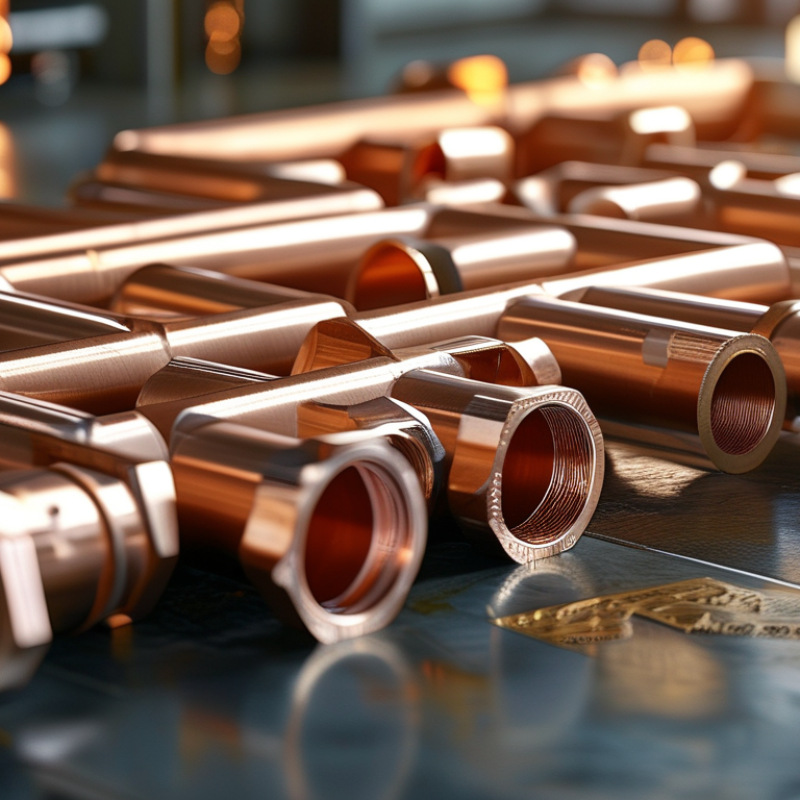
Understanding the Importance of Quality in HVAC Copper Fittings
When selecting HVAC copper fittings, quality plays a crucial role. High-quality fittings ensure better performance and longevity. Inferior options may lead to leaks or increased maintenance costs. The right copper fittings maintain the integrity of the entire HVAC system. Poor-quality materials can warp or weaken under pressure. This can create critical failures in the system.
Attention to detail is essential when assessing fittings. Look for smooth seams and consistent thickness. These features indicate better manufacturing processes. Sometimes, you might find some fittings that appear perfect but fail in real-world applications. Understanding this helps you avoid costly mistakes. A reliable supplier is key to finding quality options. They should provide clear specifications and testing information. This builds trust in the products you choose.
Cost might tempt you to select cheaper options. However, this could lead to regrets later on. Evaluate the overall value rather than just the price. Sometimes investing a bit more upfront yields significant benefits later. Prioritize quality to ensure the reliability and efficiency of your HVAC systems.
Assessing the Different Types of Copper Fittings Available
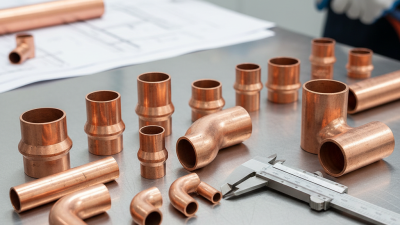
When assessing different types of copper fittings for HVAC projects, it's essential to understand their characteristics. Copper fittings come in various forms such as elbow, tee, and reducers. Each shape serves a specific purpose in piping systems. According to industry reports, nearly 75% of HVAC professionals prefer using copper due to its durability and conductivity.
The manufacturing process of these fittings influences their quality. Forged copper fittings are often stronger than cast ones. This is vital when dealing with high-pressure systems. A study found that fittings made from high-purity copper have a significant lower failure rate. However, not all copper fittings are equal, and some may contain impurities that could lead to leaks or corrosion over time.
Another factor to consider is the fitting's size and wall thickness. Standard sizes may not suit all projects. A detailed analysis of fitting performance indicates that opting for thicker-walled fittings can increase longevity. Nonetheless, one must keep the trade-off between cost and durability in mind. Choosing the right type involves balancing quality and project requirements.
Evaluating Compatibility with HVAC Systems and Components
When selecting HVAC copper fittings, understanding compatibility with your systems is crucial. Begin by examining the specifications of your HVAC components. Different systems may use various sizes and types of fittings. Ensuring that your selected fittings match the pipe diameter and style can prevent leaks and ensure efficiency.
Many HVAC systems utilize different refrigerants, impacting the type of copper fitting needed. For instance, systems using R-410A refrigerant may require specific fittings designed for high pressure. Always check for compatibility with the operating pressures of your system. It’s also important to consider the installation environment. Corrosion can occur if fittings are used in harsh conditions, leading to potential failures.
Evaluate the quality of materials too. Not all copper is created equal. Look for fittings made from high-quality, non-recycled copper to avoid impurities. It’s easy to overlook minor details; however, they can lead to significant issues down the line. Take the time to assess your options thoroughly. Consult with experts when in doubt, and never hesitate to seek guidance from experienced professionals. Your HVAC system’s efficiency depends on it.
Considering Size and Specifications for Optimal Performance
Choosing the right size and specifications for HVAC copper fittings is crucial for successful projects. The fit of the copper fittings directly impacts system efficiency. A poorly sized fitting can create leaks, affecting airflow and energy consumption. Always measure the pipe diameter carefully. This ensures a proper seal. It’s important to be precise here.
Materials also play a role. Not all copper fittings are created equal. Some might corrode faster than others, compromise your system’s durability, or even lead to premature failures. Understanding the environment is key. Will the fittings be exposed to harsh conditions? This consideration guides your choice.
Age-old practices sometimes suggest using standard sizes. However, custom sizes can optimize performance in specific applications. Never overlook the importance of proper soldering techniques either. Poor solder joints can lead to system inefficiencies. Reflecting on these details can significantly enhance your project’s outcome.
Top 5 Tips for Choosing HVAC Copper Fittings for Your Projects
This chart illustrates the importance of various factors when selecting HVAC copper fittings. It highlights that size compatibility is the most critical factor, followed closely by pressure rating and copper grade.
Identifying Trusted Manufacturers and Suppliers for Reliability
When choosing HVAC copper fittings, the manufacturers and suppliers you trust can make a significant difference. High-quality fittings are vital for system efficiency and longevity. Poorly made products can lead to leaks, increasing maintenance costs. You should consider suppliers with known expertise in manufacturing. Look for certifications that indicate quality and reliability. According to a recent market report, 70% of HVAC professionals emphasize the importance of choosing dependable suppliers for optimal system performance.
It's crucial to ask for samples and product data sheets. This helps you verify the quality of the fittings. Understanding materials and manufacturing processes also increases your confidence. Do not overlook the value of customer reviews and case studies. Over 60% of buyers rely on peer feedback before making decisions. Ensure that the suppliers have a solid track record in delivering satisfactory products.
Tip: Evaluate the connections and sealing methods. Improper seals can result in energy loss. Frequent inspections and staying updated with new technologies can save costs. Manufacturers often share detailed specifications that can guide your choices, aiding long-term project success. Attention to these details helps build a strong foundation for maintenance-free installations.