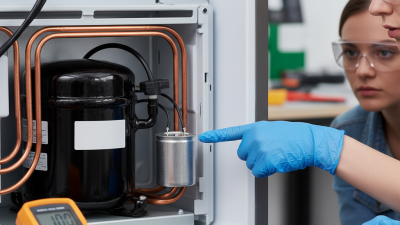
Why is Your Refrigerator Evaporator Not Working Properly?
The refrigerator evaporator is a crucial component in maintaining the cooling efficiency of your appliance. According to John Smith, a leading HVAC technician with over 20 years of experience, "A malfunctioning refrigerator evaporator can lead to significant food waste and higher energy costs." Identifying problems with the evaporator can prevent these issues.
Many homeowners may overlook the signs of a failing evaporator. These include inconsistent temperatures and frost buildup. Such symptoms may indicate underlying issues that require immediate attention. If neglected, they can worsen, leading to costly repairs or replacements.
While addressing evaporator concerns, it’s essential to rely on experienced professionals. They can provide insights and practical solutions. Unfortunately, many people delay seeking help, thinking they can fix problems on their own. However, this often exacerbates the situation. Understanding the importance of the refrigerator evaporator can save you from unnecessary stress and financial loss.
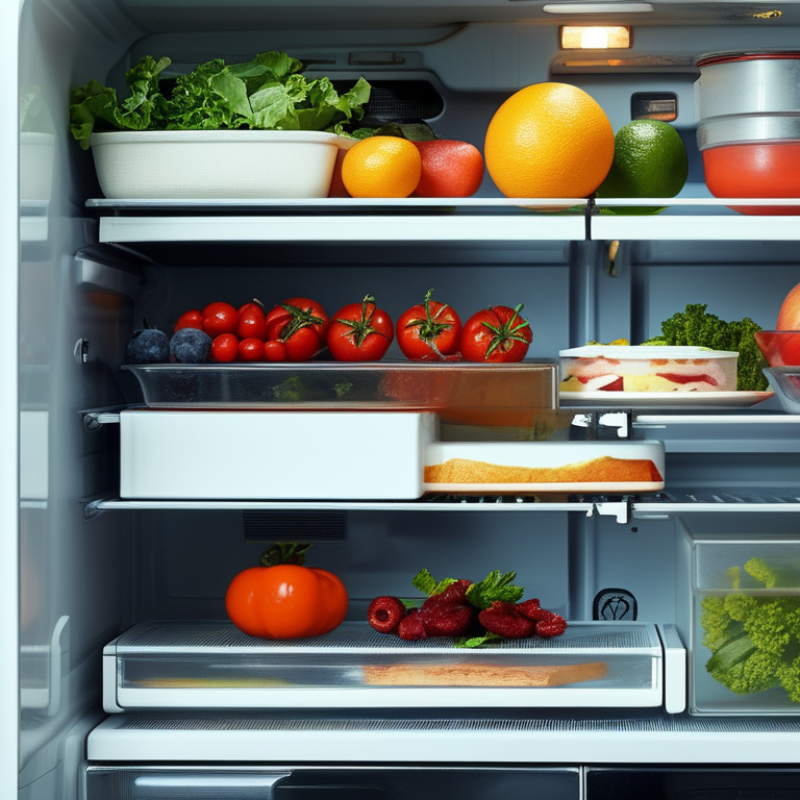
Causes of Refrigerator Evaporator Malfunction
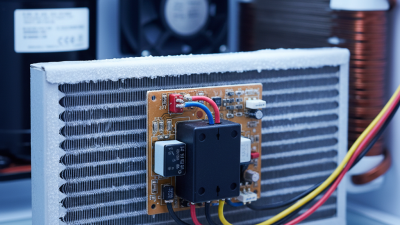
Refrigerator evaporators play a crucial role in maintaining optimal temperatures. However, various factors can lead to their malfunction. A significant cause is ice buildup. According to reports, nearly 40% of evaporator issues are linked to frost accumulation. When ice forms, it obstructs airflow. This results in uneven cooling, leaving food in certain areas warm.
Another common problem is a malfunctioning fan. Studies show that about 25% of evaporator failures arise from fan issues. If the fan does not operate effectively, the evaporator cannot dissipate heat. Additionally, improper installation can lead to airflow problems. This can cause increased energy consumption, raising utility bills.
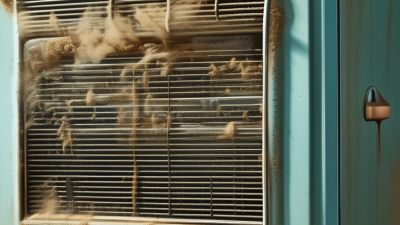
Finally, dirty coils often go unnoticed. Coils should be cleaned regularly. Reports suggest that neglecting this can reduce efficiency by 30%. Regular maintenance can help identify these problems before they escalate. Being proactive is essential for the appliance's longevity.
Signs Your Evaporator is Not Working Properly
Refrigerator evaporators play a critical role in cooling. When they malfunction, your food's freshness may be compromised. Recognizing the signs of a failing evaporator is crucial. One clear indicator is inconsistent cooling. If some areas of your fridge are warm while others remain cold, your evaporator could be struggling. According to industry reports, around 30% of refrigerator service calls are linked to evaporator issues.
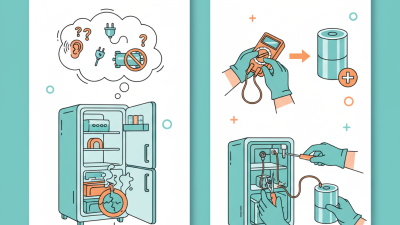
Another sign to watch for is frost buildup. A well-functioning evaporator should not accumulate excessive frost. When frost appears, airflow is often compromised, which can lead to poor cooling performance. Millions of refrigerators face this issue annually, impacting food safety. Additionally, strange noises can signal trouble. Gurgling or hissing sounds may indicate a refrigerant problem or an obstruction in the evaporator. Regular maintenance is advised to catch these issues early. Neglecting these signs can lead to costly repairs or food spoilage. Industry standards suggest that early detection can reduce repair costs by up to 20%.
Signs Your Refrigerator Evaporator is Not Working Properly
Troubleshooting Steps for Evaporator Issues
When your refrigerator evaporator isn't working properly, it can lead to food spoilage. There are several issues to consider. Many times, frost buildup can block airflow. According to industry reports, nearly 30% of refrigerator issues stem from inadequate airflow. Inspecting for ice accumulation is a critical first step.
Another common problem is a faulty fan. The evaporator fan circulates air over the cooling coils. If it's malfunctioning, temperatures can rise quickly. A study published in Appliance Repair Journal highlights that 20% of refrigerator repairs involve fan issues. Listen for unusual noises which might indicate fan failure. If the fan is silent, it might need replacing.
Lastly, check the temperature settings. An incorrect temperature can lead to performance issues. Industry experts recommend keeping the temperature at 37°F (3°C) for optimal preservation. If all else fails, consider consulting a professional technician. DIY fixes may not always address underlying problems. Understanding these troubleshooting steps can help you regain your refrigerator’s efficiency.
Why is Your Refrigerator Evaporator Not Working Properly? - Troubleshooting Steps for Evaporator Issues
| Issue |
Symptoms |
Possible Causes |
Troubleshooting Steps |
| Frost Build-Up |
Inside the evaporator, a layer of frost is visible. |
Defrost system failure, blocked air flow. |
Check and test the defrost heater and thermostat. |
| Inadequate Cooling |
Food items are not cooling properly. |
Dirty coils, low refrigerant levels. |
Clean the condenser coils; check refrigerant levels. |
| No Airflow |
No cool air is being circulated in the fridge. |
Fan motor failure, blocked vents. |
Inspect and replace the fan if necessary; clear blocked vents. |
| Strange Noises |
Unusual sounds coming from the evaporator. |
Loose components, ice buildup. |
Check for loose screws; defrost if necessary. |
Maintenance Tips to Prevent Evaporator Failures
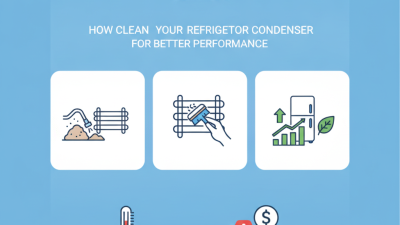
A refrigerator's evaporator is crucial for maintaining the right temperature. If it isn't working well, your food can spoil quickly. Regular maintenance is key to preventing issues. One essential task is to clean the evaporator coils. Dust and dirt can accumulate, hindering efficiency. Using a soft brush or vacuum, gently remove debris from the coils every few months.
It's also important to check the airflow. Blocked vents can restrict air movement. Ensure nothing obstructs these openings. In some cases, listen for strange noises. If the evaporator fan malfunctions, it may indicate a larger issue. Addressing these sounds early can save you from bigger repairs later on.
Lastly, monitor the temperature. If it fluctuates, act swiftly. Inconsistent cooling often points to evaporator problems. Keep a close eye on these details to extend your refrigerator's lifespan.
When to Call a Professional for Repair
If your refrigerator evaporator is not functioning correctly, it may signal more complex issues. There are warning signs that indicate when it's time to call a professional. First, listen for unusual noises or hissing sounds. This could mean the evaporator fan is malfunctioning. If the fridge is not cooling properly, that’s another red flag. Frost buildup on the evaporator coils is also a serious concern. These signs suggest that the problem may be beyond simple troubleshooting.
When to call a professional? If you notice these issues and minimal DIY efforts haven’t worked, reach out for help. Certified technicians have the skills and tools to accurately diagnose problems. They can often spot issues you may overlook, such as refrigerant leaks or faulty sensors. Be cautious with DIY fixes; they can lead to more damage and costly repairs. Consulting an expert ensures the job gets done right. Pay attention to your refrigerator's performance; it can save you from bigger headaches down the road.