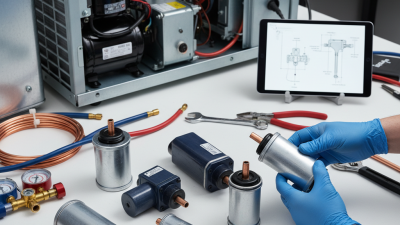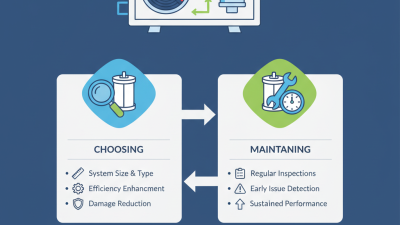
Choosing a Drier Filter Refrigerator is not simply a matter of matching pipe size. The filter drier protects the sealed system from moisture, acid, wax, and small particles. A poor choice may cause restricted flow, rising discharge pressure, or an iced capillary tube. Sometimes, the symptom looks like a compressor failure. It is not.
Refrigeration educator Dick Wirz has repeatedly taught this practical principle: “Moisture is the enemy of refrigeration systems.” That warning remains useful when selecting a replacement component. Check the refrigerator’s refrigerant, system capacity, connection type, flow direction, and manufacturer requirements. The desiccant should suit the refrigerant and lubricant. Oversizing is not automatically safer. Pressure drop still matters.
Look closely at the old part. Burn marks, corrosion, or a swollen shell can reveal deeper contamination. If the compressor has failed electrically, a standard drier may not provide enough cleanup capacity. An acid-removing model could be more appropriate, but only when its specifications match the system. Installation also matters. Keep the replacement sealed until use, avoid unnecessary exposure to humid air, and braze with dry nitrogen when the procedure allows.
This guide will compare practical selection points for residential and light commercial equipment. It will also examine common mistakes, including choosing by appearance alone. That shortcut can fail. I have seen clean-looking systems hide moisture problems. Specifications deserve more trust than guesswork. Still, product data is not perfect, and field conditions vary. A careful technician should verify the diagnosis, consult the appliance documentation, and reassess the system after installation.
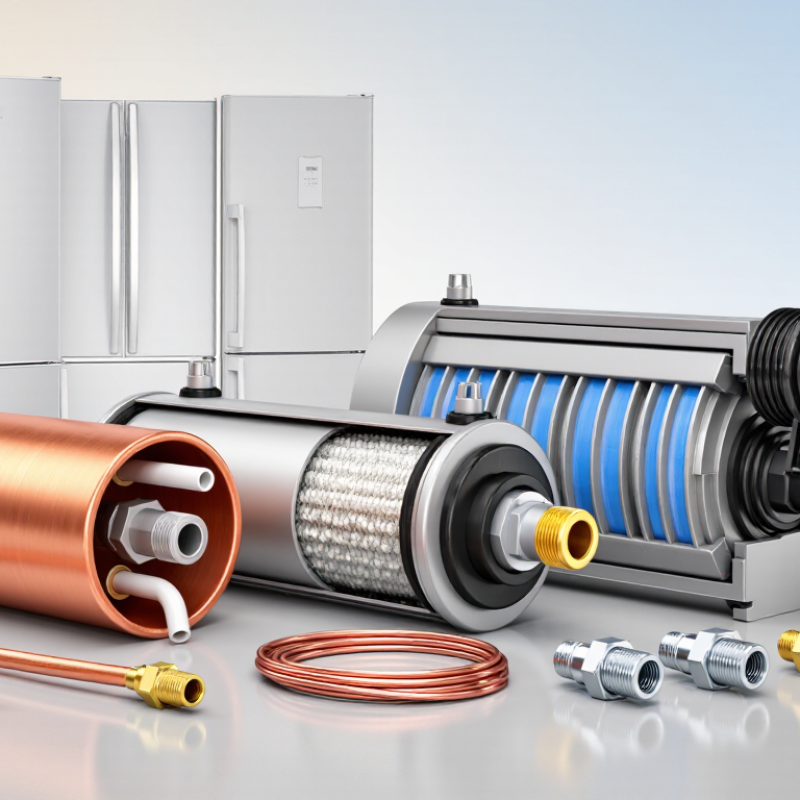
A refrigerator filter drier is a small component with a critical protective function. It removes moisture, acid, and fine particles from the sealed refrigeration system. Moisture can freeze inside a narrow capillary tube. That blockage may cause unstable cooling or a complete loss of refrigeration. Acid can also damage the compressor winding and internal metal surfaces.
In field service, technicians often inspect the filter drier after opening a system. A properly selected model should match the refrigerant type, system capacity, working pressure, and connection size. Its moisture capacity matters too, especially in humid environments. The installation direction must follow the manufacturer’s technical data. Some designs require a specific flow direction.
I once focused mainly on connection size and overlooked the system’s moisture risk. That assumption was wrong. A filter drier may fit physically but still provide inadequate protection. For systems exposed to moisture, choose a model with suitable drying capacity and corrosion resistance. After compressor burnout, a specialized cleanup procedure may be necessary. Replacing the drier is also wise whenever the sealed system remains open for an extended period. Keep the component sealed until installation, because even brief exposure can reduce its effectiveness.ېرىwa
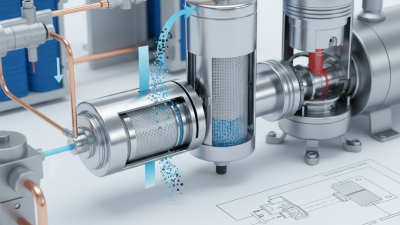
Choosing a filter drier begins with the refrigeration system, not the cabinet size. Identify the refrigerant, oil type, operating pressure, and compressor capacity. Confirm these details from service records and the equipment data plate. A suitable drier must tolerate the refrigerant and protect the system from moisture, acids, and solid particles.
Connection size matters. A mismatched outlet can create turbulence, leaks, or difficult brazing work. Check the liquid-line diameter and the available installation space. Then estimate the required flow capacity under actual operating conditions. A drier that is too small may increase pressure drop. That can reduce cooling performance.
Look closely at the system’s history. A compressor burnout may require stronger acid-control protection than a routine installation. Repeated moisture problems could indicate poor evacuation, leaks, or contaminated components. Replacing the drier alone may not solve the cause. That is an easy mistake. Use pressure-temperature readings, evacuation measurements, and visual inspection before selecting the replacement.
Technicians should also verify flow direction and installation position. Follow the drier manufacturer’s technical data, but compare it with the system’s operating limits. Field conditions are rarely perfect. I would question any choice based only on matching pipe diameter. The refrigerant, capacity, contamination level, and pressure drop must agree. A careful selection supports stable operation and reduces unnecessary service work.
Choosing a refrigerator filter drier starts with the system’s actual operating conditions, not just cabinet size. A solid-core drier suits many sealed systems and captures moisture, acids, and fine particles effectively. Replaceable-core models fit larger systems or equipment needing regular maintenance. Suction-line driers are useful after compressor failures, but they should not remain permanently without checking pressure drop and manufacturer guidance. Bi-flow designs support heat pumps, where refrigerant direction changes during operation.
Sizing requires more than matching the pipe diameter. Check refrigerant type, system capacity, expected flow rate, and allowable pressure drop. A drier that is too small may restrict flow and raise compressor workload. One that is oversized may increase cost without improving protection. I measure the liquid-line size, compare capacity ratings, and inspect the installation space before selecting a housing. Small details matter.
Connection options include soldered, brazed, flare, and threaded ends. Brazed connections generally provide strong, vibration-resistant joints when installed correctly. Flare fittings can simplify replacement, but poor alignment may cause leaks. Select compatible materials and protect the drier from excessive heat during brazing. I use a wet cloth or heat shield, then verify the joint after cooling. It is easy to overlook airflow direction. I have seen this mistake delay commissioning. The arrow must match refrigerant flow, except on approved bi-flow units. After installation, evacuation and leak testing remain essential, even when the replacement looks identical.
How to Choose a Refrigerator Filter Drier?
Selecting the correct filter drier starts with the refrigerant, not the cabinet size. Confirm the refrigerant’s chemistry, working pressure, and oil type before choosing the shell. POE oil, common in many HFC and HFO systems, absorbs moisture quickly. Mineral oil behaves differently. A mismatched drier can restrict flow or lose drying capacity.
ASHRAE Handbook—Refrigeration recommends checking moisture capacity, pressure drop, chemical compatibility, and installation position. AHRI Standard 700 also defines refrigerant purity requirements, reminding technicians that contaminated refrigerant changes system performance. The Kigali Amendment requires an 80–85% global HFC reduction by 2045, according to UNEP assessments. New refrigerants may require driers tested for different materials and higher pressures. Field conditions are often less perfect than design sheets suggest.
Tips: Match the drier’s listed refrigerant and oil compatibility. Check maximum working pressure and connection size. Select adequate capacity without creating unnecessary pressure drop. Install it in the liquid line, with the flow arrow facing the expansion device. Replace it after a compressor burnout or major system opening. Watch the sight glass, but do not trust color alone. A clean-looking system may still contain moisture. In practice, I sometimes see technicians choose by pipe diameter only. That shortcut needs reconsideration. Temperature, refrigerant blend, oil, and moisture load matter more.
Selecting the Correct Filter Drier for the Refrigerant and System
The chart compares approximate refrigerant saturation pressures at 25°C (77°F). Select a filter drier with a maximum working pressure suitable for the system and approved for the specific refrigerant. The desiccant must also be chemically compatible with the refrigerant and lubricant, while the drier capacity and connection size should match the system load and piping.
Carbon dioxide systems require especially high-pressure components. For mildly flammable or flammable refrigerants, use components specifically rated for the refrigerant and follow applicable installation and safety requirements. Pressure values are indicative reference data and are not a substitute for the equipment manufacturer’s specifications.
Choosing a refrigerator filter drier starts with matching its refrigerant, lubricant, rated pressure, capacity, and connection type to the system. A copper tube that fits is not enough. Check the appliance service data and the drier’s technical sheet, including whether it is designed for the system’s refrigerant and flow direction. AHRI Standard 700-2023 sets refrigerant-specific limits for contaminants; moisture limits for several common refrigerants are around 10 parts per million by mass. That small allowance shows why a sealed, correctly sized drier matters. Keep replacement parts capped until installation.
Before replacing one, inspect the old drier, tubing, and joints for oil residue, corrosion, or signs of a leak. These clues can point to moisture or contamination, but they do not identify the fault on their own. Use clean, dry tools, minimize the time the circuit stays open, and follow the equipment maker’s evacuation and charging procedure. A reversed flow arrow can restrict operation, while an undersized part may create an unwanted pressure drop. Check the specified refrigerant and oil, too. I still double-check connection dimensions; they are easy to overlook. Small detail. ASHRAE’s Refrigeration Handbook discusses moisture and other contaminants as causes of refrigeration-system trouble, but field conditions vary, so confirm the replacement against the exact model documentation rather than relying on appearance alone.