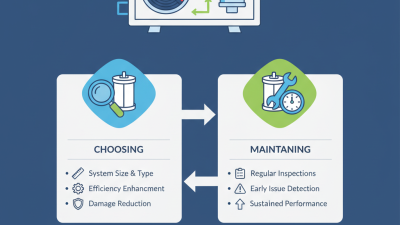
Top 10 Benefits of Using Filter Drier Core in HVAC Systems?
The HVAC industry is increasingly recognizing the importance of components like the Filter Drier Core. According to a report from the International Institute of Refrigeration, improper filtration can lead to a decline in energy efficiency by up to 30%. This statistic underlines the critical role that a Filter Drier Core plays in maintaining optimum system performance.
By effectively removing moisture and contaminants from refrigerants, the Filter Drier Core enhances system longevity and reliability. A study by ASHRAE emphasizes that clean refrigerant systems can operate up to 15% more efficiently. These benefits contribute to lower energy costs and prolonged equipment life, making it a vital component in any HVAC system.
Neglecting to use a Filter Drier Core might seem like a cost-saving measure. However, the potential for increased maintenance costs and system failures can outweigh any initial savings. While it may appear straightforward, the nuances of maintaining HVAC systems require careful consideration and expertise. By investing in a Filter Drier Core, HVAC professionals ensure their systems run smoothly and efficiently.
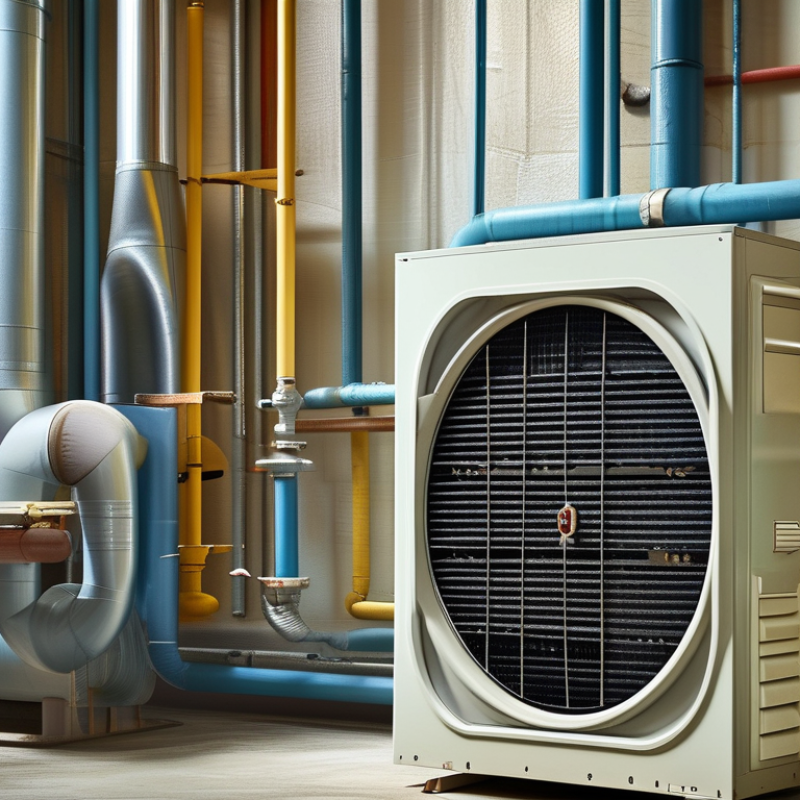
Benefits of Improved Refrigerant Purity with Filter Drier Cores
In HVAC systems, refrigerant purity is crucial for efficiency and longevity.
Using filter drier cores plays a significant role in maintaining this purity. Studies show that impurities can reduce system efficiency by up to 15%. These contaminants include moisture, acids, and particulates. The presence of such impurities leads to corrosion and wear in components, potentially resulting in costly repairs.
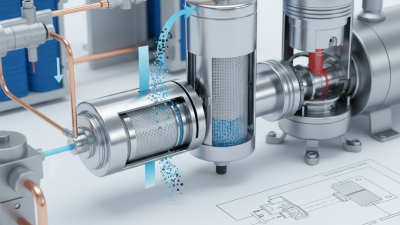
Filter drier cores effectively remove these harmful substances. They contain desiccants to absorb moisture. This moisture can freeze, causing blockages and system failures. According to the American Society of Heating, Refrigerating and Air-Conditioning Engineers (ASHRAE), proper filtration can extend the lifespan of HVAC units. Systems with effective filtration report a 20% increase in performance.
Regularly replacing filter drier cores enhances overall system reliability. However, some systems still operate without adequate filtration, exposing them to risks. The need for better education around refrigerant management is evident. Not all technicians prioritize filter maintenance. This oversight can undermine system efficiency and lead to failures. Inadequate attention to refrigerant purity places HVAC systems at a disadvantage, affecting long-term performance.
Enhanced System Efficiency through Filter Drier Integration
The integration of filter drier cores in HVAC systems significantly enhances efficiency. According to a report by the American Society of Heating, Refrigerating and Air-Conditioning Engineers (ASHRAE), systems equipped with filter driers can achieve energy savings of up to 15%. This translates into substantial cost reductions over time, especially for commercial buildings with extensive HVAC needs.
Filter drier cores play a vital role in moisture removal and contaminant capture. Moisture in refrigerants can cause damage to compressors and other components. A study by the Air-Conditioning, Heating, and Refrigeration Institute (AHRI) highlighted that 30% of HVAC system failures are attributed to moisture and debris. By leveraging filter driers, facilities can improve not just system longevity but also overall performance and reliability.
However, the implementation of filter drier cores is not without challenges. Improper installation can lead to efficiency losses. Regular maintenance is critical to ensure optimal functioning. One report found that up to 25% of systems had poorly maintained filter driers, compromising their benefits. System operators must prioritize training and awareness to maintain the advantages gained from these components.
Prolonged Equipment Lifespan by Using Filter Drier Cores
In HVAC systems, the use of filter drier cores significantly contributes to prolonged equipment lifespan. These components are essential for removing moisture, contaminants, and acids from refrigerants. According to the U.S. Department of Energy, moisture can significantly decrease compressor efficiency, potentially shortening its lifespan by nearly 30%. By effectively filtering out these impurities, filter drier cores help maintain optimal system performance.
Moreover, studies suggest that a well-maintained HVAC system can last over 15 years longer when equipped with a reliable filter drier core. For instance, a report from the Air Conditioning, Heating, and Refrigeration Institute (AHRI) states that systems with proper filtration can experience less wear and tear. This leads to extended service life and reduced operational costs. However, improper installation or use of low-quality filter drier cores can negate these benefits, highlighting the importance of expert installation and regular maintenance. It’s crucial to balance cost and quality in selecting these components for long-term gains.
Reduction of Moisture-Related Issues in HVAC Systems
Moisture issues in HVAC systems can lead to significant challenges. One of the primary benefits of a filter drier core is its ability to reduce moisture. This component works effectively to trap water vapor. By removing moisture, it prevents rust and corrosion in the system. When metal parts corrode, they can fail quickly. This leads to costly repairs.
Moreover, a filter drier core enhances the overall efficiency of HVAC systems. Moisture can create sludge, clogging the system. This decrease in efficiency can result in higher energy bills. Utilizing a filter drier core prevents these problems. Although it may require some initial investment, the long-term benefits are evident. A properly maintained HVAC system lasts longer and operates better.
However, it's essential to monitor and replace the filter drier core over time. Neglecting regular maintenance can hinder performance. An old or clogged core may not filter effectively. Frequent inspections can ensure the system runs smoothly. Attention to detail in these areas reinforces the reliability of your HVAC system. The peace of mind that comes from knowing your system is protected from moisture-related damage is invaluable.
Simplified Maintenance and Cost-Effective Solutions with Filter Driers
Using filter drier cores in HVAC systems offers numerous advantages, particularly when it comes to maintenance and cost-effectiveness. These components are crucial for removing moisture and contaminants from refrigerants. By keeping the system clean, they prolong the life of the HVAC equipment. This, in turn, reduces the frequency of repairs and replacements, leading to significant cost savings over time.
Simplified maintenance is one of the standout benefits of filter driers. Regular checks and replacements can be easily scheduled, minimizing downtime. A clean system translates to better energy efficiency, which lowers utility bills. Additionally, technicians appreciate the straightforward installation process of driers. Complexities can lead to errors. Simplification boosts overall reliability and effectiveness.
However, it's crucial to understand that neglecting regular maintenance can lead to failures. Contaminants can accumulate over time. This may not show immediate effects but can cause long-term damage. Awareness of these potential issues allows for proactive measures. Filter drier cores represent a valuable investment, but they require commitment. Ensuring your HVAC system runs optimally depends on understanding and managing these components effectively.
Top 10 Benefits of Using Filter Drier Core in HVAC Systems
| Benefit |
Description |
Impact on HVAC System |
| Moisture Control |
Removes moisture effectively from refrigerants. |
Prevents freeze-ups and improves efficiency. |
| Contaminant Filtration |
Traps acids and particulates harmful to the system. |
Extends the life of components and reduces breakdowns. |
| Space Efficiency |
Compact design can fit in tight spaces. |
Allows for easier installation and maintenance. |
| Operational Cost Savings |
Reduces energy consumption by maintaining optimal conditions. |
Lower utility bills enhance overall cost-effectiveness. |
| Low Maintenance Requirements |
Durable and requires infrequent replacement. |
Reduces downtime and service expenses. |
| Enhanced System Performance |
Maintains proper refrigerant flow and pressure. |
Improves overall HVAC efficiency and effectiveness. |
| Versatility |
Compatible with various refrigerants and systems. |
Simplifies replacement across different platforms. |
| Improved Reliability |
Provides consistent performance without fluctuations. |
Enhances trust in system functions and reduces failures. |
| Eco-Friendly Options |
Some models are designed with sustainable materials. |
Contributes to reduced environmental impact. |
| Reduced Noise Levels |
Minimizes vibration and noise during operation. |
Improves comfort levels in residential and commercial spaces. |