Best Refrigeration Copper Fittings for Global Buyers?
In the realm of refrigeration systems, the importance of high-quality Refrigeration Copper Fittings cannot be overstated. According to the International Copper Association, approximately 80% of all refrigeration systems utilize copper due to its superior thermal conductivity and corrosion resistance. This data highlights the critical role that copper fittings play in ensuring efficient operation and longevity of refrigeration systems.
As global demand for refrigeration solutions increases, so does the need for reliable fittings. The market for copper fittings is projected to grow at a CAGR of 4.5% from 2022 to 2027, driven by advancements in technology and increased applications in various industries. However, buyers must navigate a complex landscape of products and manufacturers. This complexity can lead to indecision and potential pitfalls when selecting the right fittings for specific applications.
It's essential for buyers to rely on industry experts and detailed product data to make informed choices. Many fittings lack adequate quality control, leading to performance issues. Hence, understanding the nuances of Refrigeration Copper Fittings is vital to avoid costly mistakes. Thorough research and consultation with experts can mitigate risks and enhance system performance.
Overview of Refrigeration Copper Fittings in the Global Market
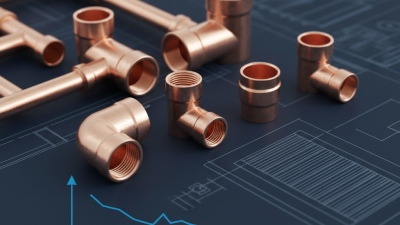
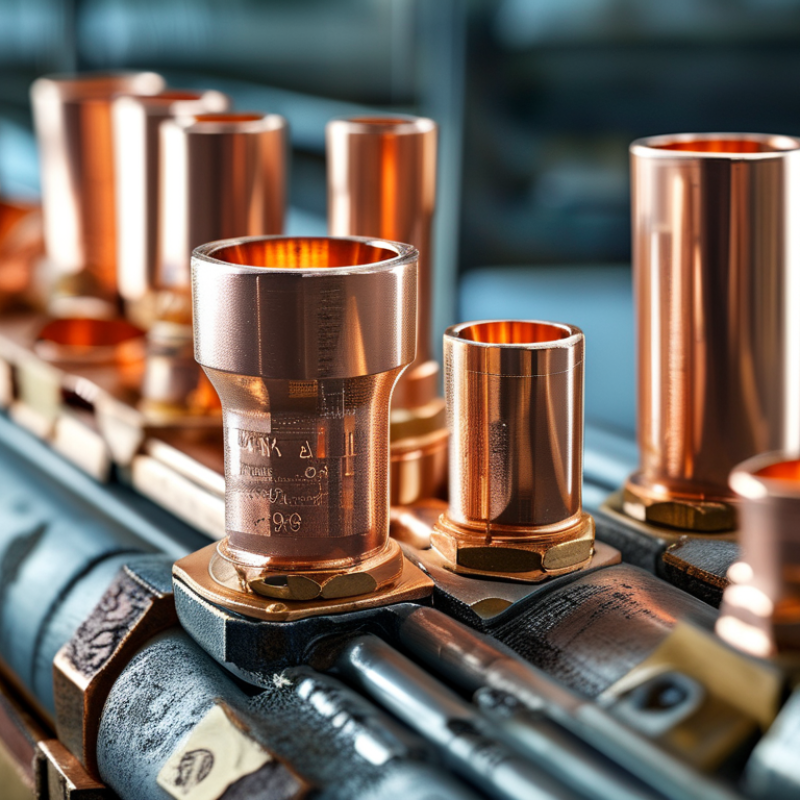
Refrigeration copper fittings play a crucial role in global HVAC systems. These fittings connect various components, ensuring the efficient transfer of refrigerants. The demand for high-quality copper fittings is rising due to their reliability and excellent thermal conductivity. Buyers are focusing on durability and performance when selecting these components.
Market trends indicate that many buyers seek sustainable and eco-friendly options. Manufacturers are addressing these needs by offering innovative solutions. However, some challenges exist. There is variation in quality across different suppliers. This inconsistency can impact system performance. Buyers often need to verify the quality of fittings before purchase.
Proper understanding of specifications is essential for global buyers. Each region may have unique requirements. Local standards can influence fitting designs and materials used. Companies should invest time in research to avoid costly mistakes. Engaging with experienced suppliers can provide insights into the best choices.
Key Factors to Consider When Choosing Copper Fittings for Refrigeration
When selecting copper fittings for refrigeration, several key factors should guide your decision. Quality is paramount. It ensures durability and consistent performance in varying temperatures. Look for fittings that exhibit seamless construction and superior corrosion resistance. These features are vital for maintaining efficiency over time.
Another critical aspect to consider is compatibility with different refrigerants. Not all copper fittings work well with every refrigerant type, which can lead to system failures. Therefore, verifying the chemical compatibility is essential. Additionally, the size and dimensions of the fittings matter significantly. Incorrect sizing can cause leaks and reduce system efficiency.
Cost often influences choices, but don’t let it overshadow quality. Cheaper fittings may save money upfront but can lead to more significant problems down the road. Assess the long-term benefits of investing in higher-quality materials. Remember that making informed choices will ultimately affect your refrigeration system's effectiveness and longevity.
Best Refrigeration Copper Fittings for Global Buyers
| Fitting Type |
Size (inches) |
Wall Thickness (mm) |
Temperature Range (°C) |
Pressure Rating (psi) |
Application Field |
| Elbow |
1/2 |
0.65 |
-40 to 150 |
1000 |
Refrigeration |
| Tee |
3/4 |
0.70 |
-40 to 150 |
800 |
HVAC Systems |
| Capillary Tube |
1/8 |
0.60 |
-50 to 200 |
1500 |
Refrigeration Cycles |
| Union |
1 |
0.80 |
-40 to 150 |
1200 |
General Plumbing |
| Reducer |
3/4 to 1/2 |
0.70 |
-40 to 150 |
950 |
Refrigeration Systems |
Top Manufacturers and Brands of Refrigeration Copper Fittings Worldwide
Choosing the right refrigeration copper fittings can significantly impact efficiency and durability. Buyers worldwide seek fittings that offer both reliability and performance. Renowned manufacturers in this field focus on quality materials and precise engineering. A commitment to these standards showcases their expertise.
Many top manufacturers conduct extensive testing to ensure their fittings withstand varying temperatures and pressures. This rigorous process establishes their products' credibility. High-quality fittings minimize leakage risks, which is essential for overall system efficiency. However, not all brands maintain consistent quality. Conducting thorough research can help you avoid pitfalls associated with lesser-known manufacturers.
Tips for buyers include always considering the intended application when selecting fittings. Make sure to assess the compatibility with your existing refrigeration system. Checking certification and compliance with local regulations is vital. Prioritize suppliers with a solid track record, as their experience often ensures better product reliability. Don't hesitate to ask for samples before making a bulk purchase, as this can reveal real-world performance.
Comparative Analysis of Different Types of Copper Fittings for Refrigeration
When selecting copper fittings for refrigeration, understanding the various types is crucial. Different applications may demand specific fittings like elbows, tees, or couplings. Each type plays a unique role in connecting pipes and ensuring seamless fluid transfer. The right choice influences efficiency and longevity. For instance, soldered fittings are durable and reliable, while flare fittings offer easy installation and maintenance opportunities.
Consider the environment where these fittings are used. Exposure to high pressure or corrosive materials can impair performance. It's essential to choose fittings that can withstand these conditions. Assessing the design and build quality is vital for ensuring reduced leaks and longer service life. Also, be mindful of the wall thickness; thinner fittings may seem appealing due to lower costs but might not provide the necessary durability.
Tips: Always check for compliance with industry standards. Regular inspections can reveal early signs of wear. Investing in quality fittings can save you money in the long run. Ensure proper installation techniques are used, as poor installation can lead to failures.
Sustainability and Environmental Impact of Copper in Refrigeration Systems
Copper is a crucial element in refrigeration systems, due to its excellent thermal conductivity and reliability. However, its extraction and processing have significant environmental impacts. Mining activities often lead to habitat destruction and increased greenhouse gas emissions. According to a report from the International Copper Study Group, copper mining contributes to nearly 8% of the world’s total greenhouse gas emissions. This figure raises concerns about the sustainability of using copper in refrigeration.
On the positive side, copper's durability allows for a longer lifespan in refrigeration applications. A study by the European Copper Institute suggests that copper components can last over 50 years. This longevity can offset some initial environmental costs by reducing the frequency of replacements. However, many manufacturers overlook the importance of responsible sourcing, which could enhance the sustainability of copper.
Choosing the right copper fittings can also lessen the overall impact. Consider fittings that come with certifications ensuring responsible mining practices. Always evaluate the entire supply chain for transparency and environmental commitment. Regular maintenance of refrigeration systems is essential too. A well-maintained system operates efficiently, reducing energy consumption and lowering emissions over time. Emphasizing sustainability in every step can lead to impactful changes in the industry.
Sustainability and Environmental Impact of Copper in Refrigeration Systems