Top Common Issues with Refrigerator Capacitor and How to Troubleshoot Them?
Refrigerator capacitors play a crucial role in ensuring the proper functioning of appliances. They store and release electrical energy, which helps start the compressor and maintain cooling. According to a report by the Appliance Repair Industry Association, faulty refrigerator capacitors contribute to about 15% of refrigerator malfunctions. This statistic highlights the significance of understanding common issues related to these components.
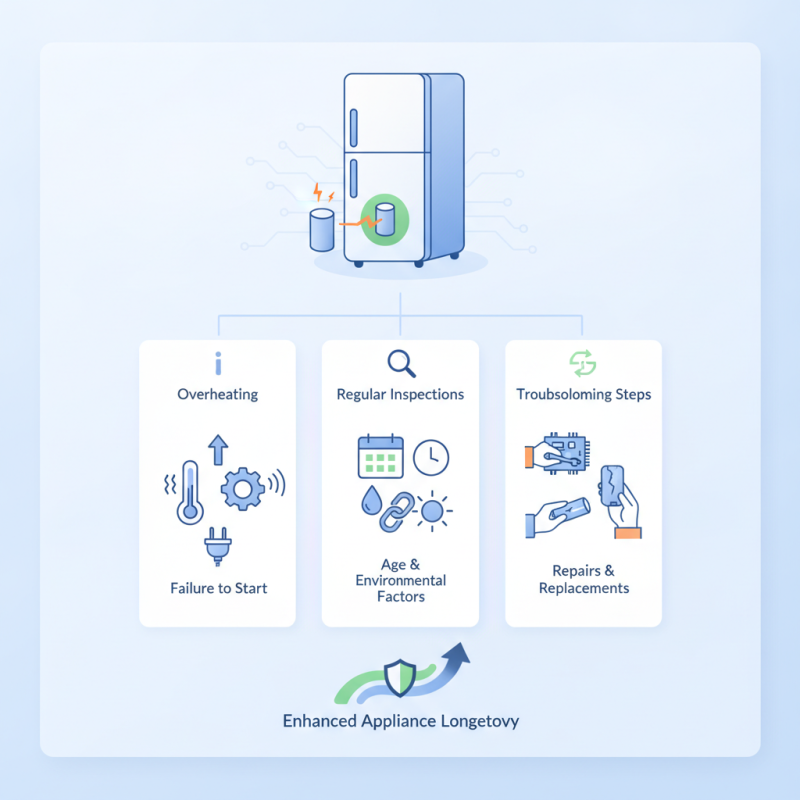
Dr. John Richards, an expert in appliance technology, notes, "Recognizing the signs of capacitor failure can save consumers time and repair costs." Identifying problems early can prevent more extensive damage to the refrigerator. Many users overlook symptoms, leading to increased repair expenses. Regular inspections can pinpoint issues such as capacitor overheating, unusual noises, or failure to start.
A proactive approach to these common problems can enhance appliance longevity. It is essential to be aware of how to troubleshoot capacitor issues effectively. While capacitors are generally reliable, they can fail due to various factors, including age and environmental conditions. Understanding this can guide users in making informed decisions regarding repairs and replacements.
Common Symptoms of Faulty Refrigerator Capacitors
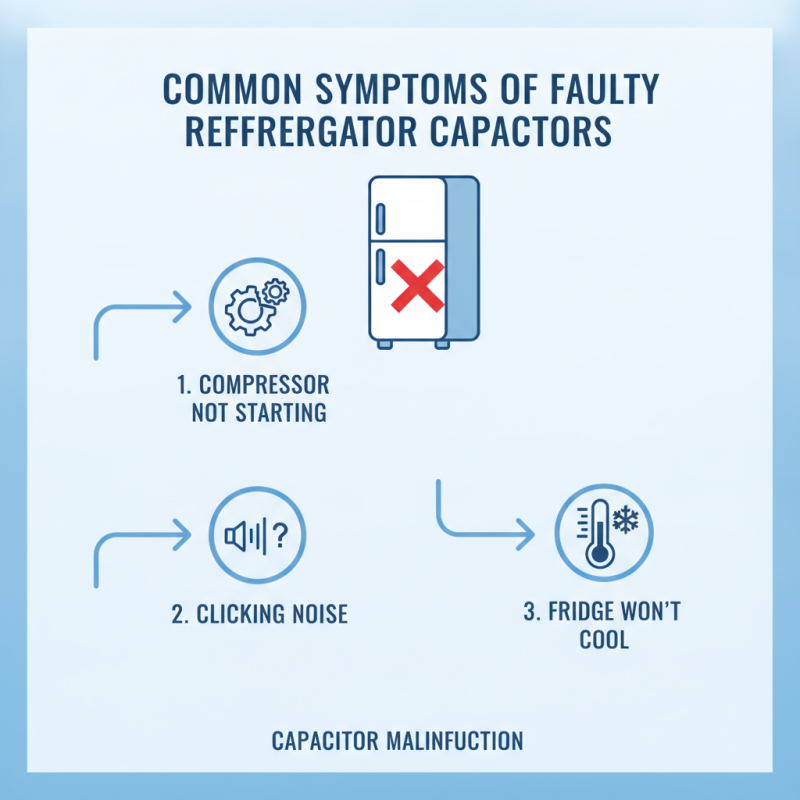
A faulty refrigerator capacitor can lead to several common symptoms. One sign is the compressor not starting. You may hear a clicking noise but the fridge won't cool. This often indicates the capacitor is not functioning properly.
Another symptom is inconsistent cooling. If your refrigerator cycles on and off too frequently, the capacitor might be failing. The temperature inside can fluctuate, affecting food preservation. A poor connection can also lead to this issue, making it essential to check all wiring.
Lastly, flickering lights or a buzzing sound can indicate capacitor problems. These symptoms suggest the capacitor is working harder than it should. If you notice any of these signs, consider troubleshooting the components. Checking for loose connections or damaged parts can often resolve the issue. If the symptoms persist, consulting a qualified technician might be necessary.
Understanding the Role of Capacitors in Refrigerator Functionality
Capacitors play a crucial role in the operation of refrigerators. They help start the compressor and stabilize voltage levels. Without proper functioning capacitors, refrigerators may not cool effectively. According to the Department of Energy, around 30% of refrigerator issues can be traced back to capacitor failures.
When capacitors malfunction, they can cause various symptoms. A fridge might run continuously without reaching the desired temperature. Alternatively, it may turn off unexpectedly. In a recent industry report, it's noted that 15% of household refrigerator repairs involve capacitor-related problems. This statistic highlights the importance of understanding their function.
Common signs of a failing capacitor include unusual noises during operation and flickering lights. Troubleshooting starts with checking for physical damage. Also, test the voltage using a multimeter to ensure it meets the required specifications. Regular maintenance can prevent many of these issues, yet some owners overlook this essential task. Addressing these concerns promptly can lead to greater energy efficiency and longer appliance life.
Step-by-Step Troubleshooting Guide for Refrigerator Capacitor Issues
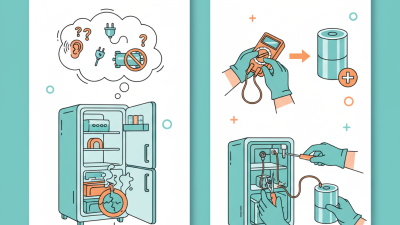
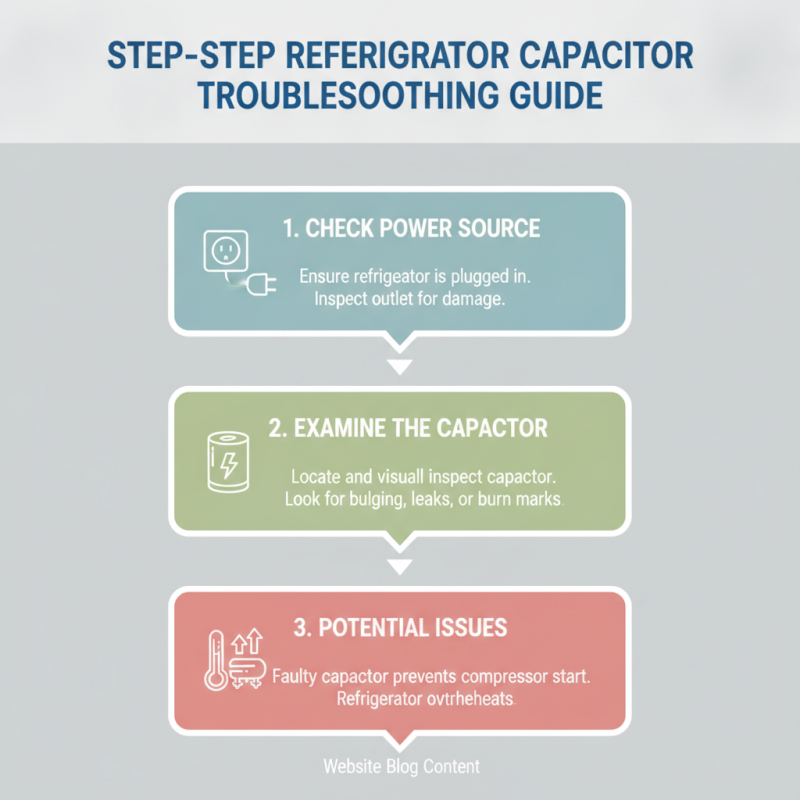
Dealing with refrigerator capacitor issues can be frustrating. Begin your troubleshooting by checking the power source. Confirm that the refrigerator is plugged in properly. Inspect the outlet for any signs of damage. If everything seems fine, then look at the capacitor itself. A faulty capacitor can prevent the compressor from starting, causing your fridge to overheat.
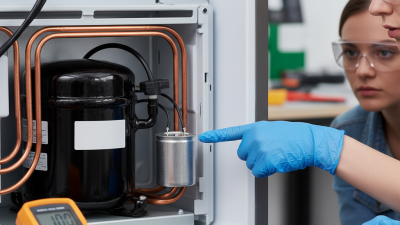
Next, examine the capacitor for any visible signs of damage. Look for bulges, leaks, or burn marks. These may indicate a failing component. If you have a multimeter, test the capacitor's continuity. This step helps determine if it is functioning effectively. If it shows no continuity, it’s time for a replacement. When installing a new capacitor, ensure that you follow safety precautions. Disconnect the power, and remember that capacitors can hold a charge even after power is off.
You may encounter various situations, and not all issues stem from the capacitor alone. Obstructions in the compressor or a faulty thermostat can mimic capacitor problems. Being aware of these details is crucial in effective troubleshooting. Take notes on what you discover, as this can help with future repairs or discussions with professionals. Keep a patient mindset while solving these issues; learning from the process is essential.
Key Measurements and Tools for Diagnosing Capacitor Problems
Diagnosing capacitor problems in refrigerators requires specific measurements and tools. You will need a multimeter, which can measure voltage and resistance. This tool helps in checking if the capacitor holds a charge. A capacitor tester is another option, providing more precise readings for capacitance.
Start by disconnecting the power supply. Safety is paramount. Next, use the multimeter to measure resistance. If the reading is very low, the capacitor might be shorted. A high reading suggests it may be open. Checking for a visible bulge or leakage can also provide quick insights. These physical signs often indicate failure.
If readings are uncertain, you might feel stuck. In some cases, you could overlook small discrepancies. Rechecking the connections is crucial. Even tiny errors can alter measurements significantly. Allowing ample time for testing ensures more accurate results. Keep in mind that troubleshooting requires patience and attention to detail.
Best Practices for Replacing and Maintaining Refrigerator Capacitors
When dealing with refrigerator capacitors, maintenance is key. Regular checks can prevent overheating and malfunction. According to a study from the Appliance Repair Association, improper maintenance can lead to a 30% increase in energy consumption. Keeping capacitors clean improves efficiency. Dust and debris can hinder performance.
Replacing capacitors when they show signs of failure is crucial. Technicians recommend using the right capacitance. Using an incorrect capacitor can cause complications. Signs of a failing capacitor include unusual noises and fluctuating temperatures. It's important to address these issues promptly.
During replacement, always ensure the power is off. A 2019 report by the International Electrotechnical Commission emphasized safety. This step prevents electric shocks. Furthermore, proper disposal of old capacitors is necessary. Many contain hazardous materials. Following local regulations helps protect the environment. Regular maintenance and careful replacement emphasize reliability. Neglecting these practices can lead to larger issues down the line.
Top Common Issues with Refrigerator Capacitor and How to Troubleshoot Them
| Issue |
Symptoms |
Troubleshooting Steps |
Best Practices for Replacement |
| Capacitor Failure |
Refrigerator not starting, humming noise |
Inspect capacitor for bulging or leakage; test with multimeter |
Use compatible capacitor; ensure power is disconnected before replacing |
| Overheating |
Capacitor feels hot to the touch |
Check for proper ventilation; test for shorts in wires |
Replace if overheating persists; ensure connections are secure |
| Intermittent Operation |
Refrigerator cycles on and off frequently |
Check capacitor connections; inspect for wear |
Consider replacing as a preventative measure; maintain clean terminals |
| Noise Issues |
Buzzing or clicking sounds |
Inspect for loose parts; check capacitor for damage |
Ensure secure mounting; replace noisy capacitors promptly |
| Voltage Fluctuations |
Inconsistent cooling performance |
Test voltage levels; check for power supply issues |
Consult with a technician for electrical issues; use a surge protector |