Top 5 Refrigeration Tee Options for Global Buyers?
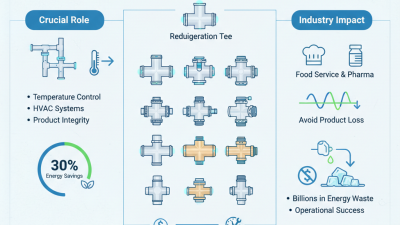
In the dynamic world of refrigeration, selecting the right components is crucial. One essential component is the Refrigeration Tee. This small but vital part connects different lines in a refrigeration system, facilitating efficient fluid flow. Choosing the right Refrigeration Tee can significantly impact the performance of the whole cooling system.
Global buyers often face challenges in navigating numerous options. Factors such as material quality, size, and compatibility can complicate decisions. Not all Refrigeration Tees are created equal. Some might offer better longevity or efficiency than others. Understanding these differences is essential for making informed choices.
This guide aims to highlight the top five Refrigeration Tee options available today. We will explore their features and ideal applications. Potential buyers need to reflect on their specific needs and requirements. Each option has its strengths and weaknesses, and finding the best fit is key to enhancing overall refrigeration performance.

Overview of Refrigeration Tee Types for Buyers
When exploring refrigeration tee options, it's essential to understand the different types available. A refrigeration tee serves as a vital component in HVAC systems, creating branching points in the refrigerant line. It's important to recognize the common types: welded tees, threaded tees, and soldered tees. Each type has unique attributes that suit individual applications. For instance, welded tees ensure a strong connection, ideal for high-pressure systems.
Users often face confusion when selecting the appropriate tee type. Welded tees may offer durability but can also be challenging to install for inexperienced hands. Threaded tees allow for easier assembly but might lack the same strength under pressure. Soldered tees, on the other hand, provide a good balance, yet the soldering process can be uncertain for those new to the technique.
Knowing the specific requirements for your refrigeration system can guide your choice. Considerations like operating pressure, temperature range, and ease of installation are crucial in this decision-making process. No one type fits all, and recognizing that imperfect options exist encourages further research and learning.
Key Considerations When Choosing Refrigeration Tees
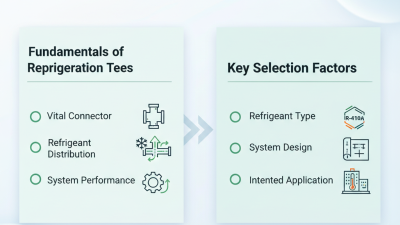
When selecting refrigeration tees, consider the material quality and compatibility with your system. High-quality materials enhance durability and prevent leaks. Stainless steel and brass are popular choices due to their resistance to corrosion and pressure. Knowing your system's requirements is essential to ensure a proper fit and function.
Installation plays a key role in the effectiveness of refrigeration tees. An improper installation can lead to inefficiencies or failures. It's vital to follow manufacturer guidelines carefully. Checking the threading and seals during installation is crucial. Small errors can lead to significant issues over time.
Regular maintenance of refrigeration tees is often overlooked. Keeping an eye on any signs of wear or leaks can extend the lifespan of your system. Routine inspections can save you from costly repairs. Don't ignore small leaks—address them promptly to maintain efficiency.
Top 5 Refrigeration Tee Brands and Their Features
When selecting refrigeration tees, buyers should consider various features that distinguish the leading options. The materials used in construction can significantly impact durability. Stainless steel is often preferred for its corrosion resistance. However, some buyers may overlook the importance of connectors. Quality connections ensure efficient refrigerant flow and prevent leaks.
Design is another critical factor. A well-designed tee allows for easy installation and maintenance. Look for options with smooth edges to minimize turbulence in refrigerant flow. Users often neglect the size. Ensuring a proper fit is vital for system efficiency. A mismatched tee can lead to inefficiencies or system failures.
Tips for selection include researching the manufacturer’s reputation. Look for user reviews and expert recommendations. This can shed light on reliability. Don’t forget to assess warranty options. A robust warranty indicates confidence in product quality. Sometimes, potential buyers overlook the importance of compatibility. Ensuring that the tee matches your refrigeration system is essential to avoid headaches down the line.
Top 5 Refrigeration Tee Options for Global Buyers
| Option |
Material |
Temperature Range |
Features |
Application |
| Refrigeration Tee A |
Copper |
-50°C to 100°C |
Corrosion-resistant, easy installation |
Commercial refrigeration |
| Refrigeration Tee B |
Steel |
-30°C to 120°C |
High strength, durable |
Industrial cooling systems |
| Refrigeration Tee C |
PVC |
0°C to 60°C |
Lightweight, non-corrosive |
Home refrigerators |
| Refrigeration Tee D |
Brass |
-40°C to 90°C |
Excellent thermal conductivity |
HVAC systems |
| Refrigeration Tee E |
Aluminum |
-50°C to 110°C |
Lightweight, corrosion-resistant |
Food processing |
Comparative Analysis of Refrigeration Tee Materials
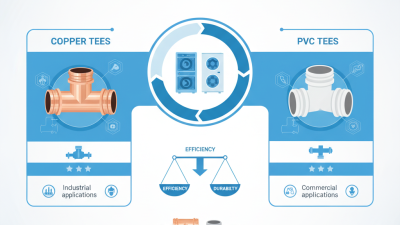
When selecting refrigeration tees, various materials impact performance and longevity. Commonly used materials include copper, brass, and stainless steel. Each offers different benefits, making a comparative analysis crucial for buyers.
Copper is favored for its excellent thermal conductivity. This ensures efficient heat transfer in refrigeration systems. However, copper can corrode over time, leading to leaks. Brass, known for durability, provides resistance to corrosion. It is ideal for various refrigeration applications but may not conduct heat as well as copper. Stainless steel is renowned for strength and longevity. Its resistance to extreme temperatures and pressures makes it a reliable choice.
While these materials have their advantages, there isn’t a one-size-fits-all solution. The choice often comes down to specific application requirements and budget constraints. Buyers need to consider environmental factors, too. Humidity and temperature fluctuations can impact material performance. Understanding these nuances can help buyers make an informed decision on the best refrigeration tees for their needs.
Global Market Trends in Refrigeration Tee Demand
In recent years, the demand for refrigeration tees has witnessed a notable rise across global markets. This trend reflects growing industries, including food processing and HVAC systems. As the need for efficient cooling solutions evolves, refrigeration tees have become essential components for manufacturers and suppliers alike. The push towards sustainable practices also influences the choice of materials and design, leading to innovations in this sector.
One key observation in the market is the preference for customizable options. Buyers seek refrigerant tees that can be tailored to specific applications. Flexibility in size and compatibility with various systems enhances their appeal. Understanding regional preferences is crucial. Certain areas may prefer certain designs or materials, showcasing the need for a localized approach.
Take time to evaluate potential suppliers carefully. Look for those who prioritize quality and provide essential certifications. Transparency in sourcing materials will build trust. Continuous learning about market trends can offer insights into future demands. Staying updated on technological advancements will help buyers make informed decisions. By focusing on these aspects, stakeholders can align with the evolving landscape of refrigeration tees effectively.