Choosing the right Filter Dryer For Compressor is a practical decision, not a simple catalog comparison. This component removes moisture, acids, particles, and other contaminants from a refrigeration circuit. Without proper protection, a small amount of water can freeze near an expansion device. It may also damage valves, bearings, or compressor windings over time.
A reliable selection begins with the system’s refrigerant, oil type, operating pressure, and cooling capacity. Check the manufacturer’s specifications carefully. A dryer rated for one refrigerant may not suit another system. Port size matters too. An undersized connection can restrict flow, while an oversized model may add unnecessary cost. The filter’s moisture capacity should match the expected service conditions, especially in systems exposed to repeated maintenance or humid air.
Field experience also shows that installation details can change performance. Keep the piping clean. Braze with suitable protection. Install the dryer in the correct flow direction. Replace it after major compressor failure or when contamination is suspected. A pressure drop that seems minor during testing may become serious during peak demand.
There is no perfect choice.
This article explains how to compare core specifications, application requirements, and manufacturer guidance. It also considers less obvious factors, including pressure-drop limits, replaceable cores, temperature range, and service access. Some recommendations may appear conservative. That is intentional. Compressor protection involves uncertainty, and real systems rarely behave exactly like laboratory examples. Final decisions should follow verified technical data and qualified professional judgment.
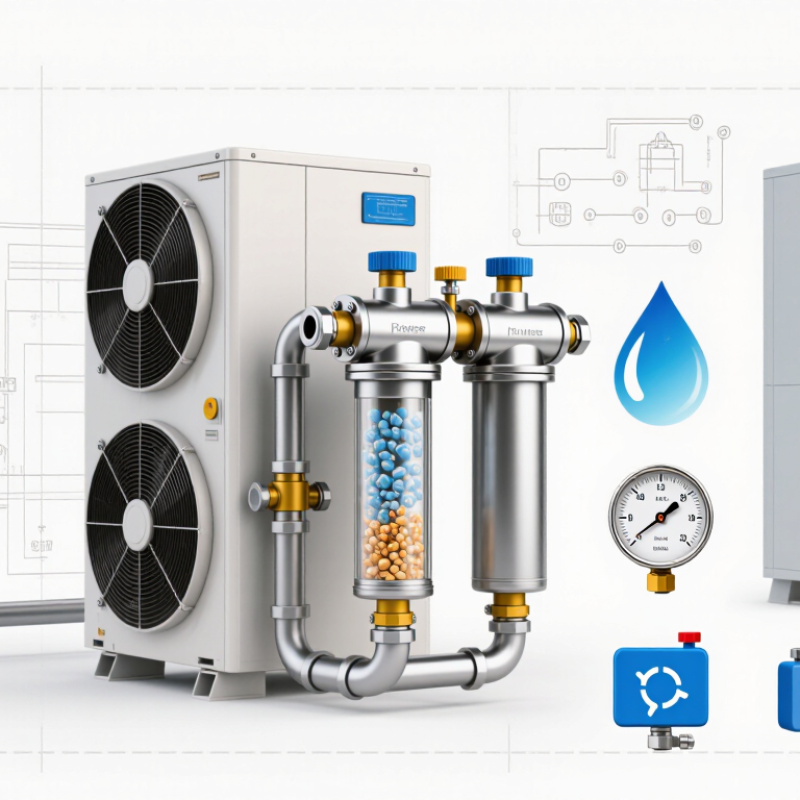
A filter dryer protects a compressor circuit from moisture, acids, and solid debris. These contaminants can damage windings, clog expansion devices, and reduce lubrication quality. Moisture may freeze at a restriction point. That small ice plug can cause unstable cooling and repeated cycling.
In field service, technicians often inspect the sight glass, measure pressure drop, and check the system’s evacuation level. A suitable filter dryer must match the refrigerant, oil type, system capacity, and operating pressure. Its connection size should also fit the piping without creating an unnecessary restriction. Bigger is not always better. Excessive internal volume can complicate servicing and increase cost.
The dryer’s location matters. It is commonly installed in the liquid line, where it can capture contaminants before they reach sensitive components. Some systems need a suction-line dryer after compressor burnout or major contamination. That choice requires careful pressure-drop evaluation. A filter dryer is not a cure-all. If moisture keeps entering, the leak or poor evacuation practice remains the real problem. I have seen clean-looking systems fail because the dryer was selected correctly but installed carelessly. Follow verified technical data, use proper brazing procedures, and replace the component when its moisture capacity is exhausted. A pressure reading alone may not reveal everything.
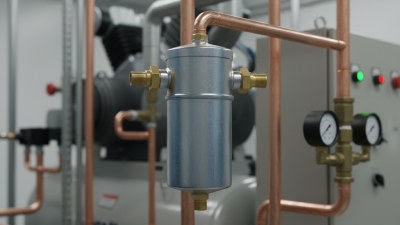
Choosing the correct filter drier type starts with the compressor’s operating conditions, not its physical size. A liquid-line filter drier suits most standard refrigeration and air-conditioning systems. It captures moisture, acids, dirt, and copper particles before they reach the expansion device.
A suction-line filter drier serves a different purpose. It is commonly used after compressor burnout or major system contamination. This position protects the replacement compressor from acidic debris returning through the suction line. However, it can create excessive pressure drop if selected too small. That mistake may reduce cooling capacity and increase compressor stress.
Heat-pump systems require closer attention. Their refrigerant flow reverses, so a bi-flow filter drier may be necessary. Check the manufacturer’s specifications, refrigerant compatibility, maximum working pressure, connection size, and rated capacity. The drier should match the system’s actual flow rate, not simply the compressor horsepower.
Smaller systems still need careful moisture control. Do not assume a larger shell always provides better protection. During service inspections, I have found oversized units causing unnecessary cost without improving performance. The result can be disappointing.
Pipe cleanliness matters too. Even a well-chosen drier performs poorly when installation leaves moisture inside the tubing. Replace the drier after opening a sealed system, and monitor pressure drop during commissioning. A practical selection can be imperfect, but it should always be explainable through measured operating data.
Choosing a filter dryer for a compressor starts with refrigerant flow, not connection size alone. In service work, I compare the dryer’s rated flow with the actual refrigerant and evaporating temperature. A capacity listed under one condition may fall sharply under another. Match the dryer to peak mass flow, including high-load startup. Undersizing creates pressure drop. Oversizing is not automatically safer.
Record suction pressure, discharge pressure, liquid temperature, ambient temperature, and compressor capacity. Then estimate refrigerant mass flow from system data or engineering tables. Check the pressure-drop curve at that flow, not at a convenient catalog point. Keep pressure loss low enough to prevent flash gas before the expansion device. For liquid lines, subcooling and line length also matter. For suction lines, oil return and vapor velocity deserve attention. A large dryer can still be poorly matched.
Operating conditions influence desiccant selection and service life. Systems exposed to repeated moisture need adequate water capacity, not only high nominal flow. After installation, measure temperatures on both sides. A growing temperature difference may indicate contamination or restriction. I have seen clean-looking systems hide excessive pressure loss. One field reading is not enough. Recheck after stable operation, and question ratings that omit refrigerant type, temperature, or pressure-drop data.
How to Choose a Filter Dryer for Compressor?
A practical selection starts with compatibility, not price. Check the refrigerant, compressor oil, seals, and internal materials. A dryer suited to one refrigerant may react poorly with another oil blend. Confirm the connection size and flow direction, too. Reversed installation can restrict flow and reduce drying performance. In field servicing, small mismatches often create larger problems later. The datasheet should clearly state approved refrigerants and operating conditions.
Tips: Match the dryer’s pressure rating with the system’s maximum working pressure, not its normal pressure. Include pressure spikes during startup. Leave a safety margin. Also check temperature limits and whether the housing supports the intended installation position.
Filtration requirements depend on the compressor circuit. A fine filter may capture harmful particles, but excessive restriction can increase pressure drop. Compare the rated flow with the compressor’s actual capacity. Moisture and acid capacity also matter, especially after motor burnout or major repairs. Select a suitable filtration grade, then verify pressure drop at operating conditions. I would recheck these figures after installation. Real systems rarely behave exactly like laboratory charts. A clear sight glass, temperature readings, and pressure measurements can reveal whether the dryer is working effectively.
Compare typical pressure classes and filtration targets when checking compatibility, pressure rating, and moisture or contaminant removal requirements. Always confirm the filter dryer’s refrigerant compatibility, connection type, temperature range, and certified working pressure against the system specifications.
Pressure classes are shown in bar(g), converted from common 300, 450, and 600 psig ratings. Filtration values represent typical nominal targets: 10 µm for general protection, 5 µm for tighter contaminant control, and 3 µm for fine filtration. Select a rating above the system’s maximum operating pressure and verify compatibility with the specified refrigerant and compressor oil.
How to Choose a Filter Dryer for Compressor?
Planning the installation, maintenance, and replacement of a filter dryer requires more than matching pipe size. Choose a model compatible with the refrigerant, oil, operating pressure, and compressor capacity. Its desiccant must control moisture without restricting normal flow. Check the manufacturer’s technical data carefully. In field work, an undersized dryer often creates pressure drop, especially during heavy cooling demand. A properly selected unit protects valves, bearings, and the compressor from moisture, acids, and solid debris.
Install the dryer in the correct flow direction, usually near the liquid line before sensitive components. Keep the tubing clean and sealed during preparation. Use dry nitrogen during brazing, then perform a leak test and deep evacuation. Do not rely only on a vacuum reading; confirm that the vacuum remains stable after isolation. Small installation shortcuts can become expensive failures.
Tips: Replace the dryer after a compressor burnout, major system opening, or confirmed moisture contamination. Monitor pressure drop and the moisture indicator during service visits. A fixed replacement calendar is convenient, but it can be wrong. System conditions vary. Record temperatures, pressures, and replacement dates. Choose replacement capacity based on actual load, not habit. If the indicator changes color or pressure drop increases, investigate the cause before fitting another dryer. Sometimes the dryer is only showing a deeper system problem.