How to Choose the Best Refrigeration Copper Fittings for Your Needs?
When selecting Refrigeration Copper Fittings, several factors come into play. The choices can be overwhelming. Understanding your specific needs and applications is crucial. Different fittings serve various purposes. Some are designed for high-pressure systems, while others may handle lower pressures. It's essential to know what fits your system.
Quality matters in refrigeration. High-quality copper fittings resist corrosion and ensure durability. Cheap fittings may save money initially, but could lead to costly repairs later. Consider the long-term implications of your purchase. Look for manufacturers with a strong reputation in the industry. Experienced professionals can often provide recommendations based on their reliable knowledge.
Reflecting on your installation process can guide your choice. Are you comfortable with soldering? Some fittings require specialized skills. Others are more straightforward and user-friendly. Ultimately, the right Refrigeration Copper Fittings depend on personal experience and system requirements. Taking these factors into account will lead to better decisions and a more efficient refrigeration system.
Understanding Different Types of Refrigeration Copper Fittings
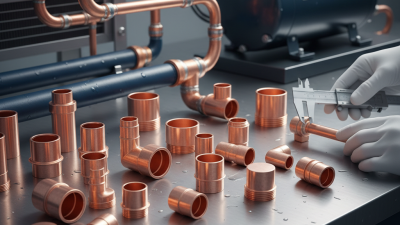
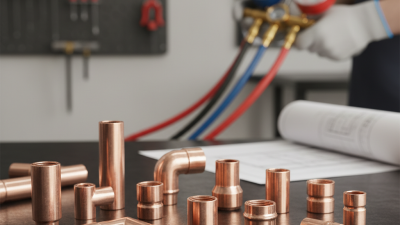
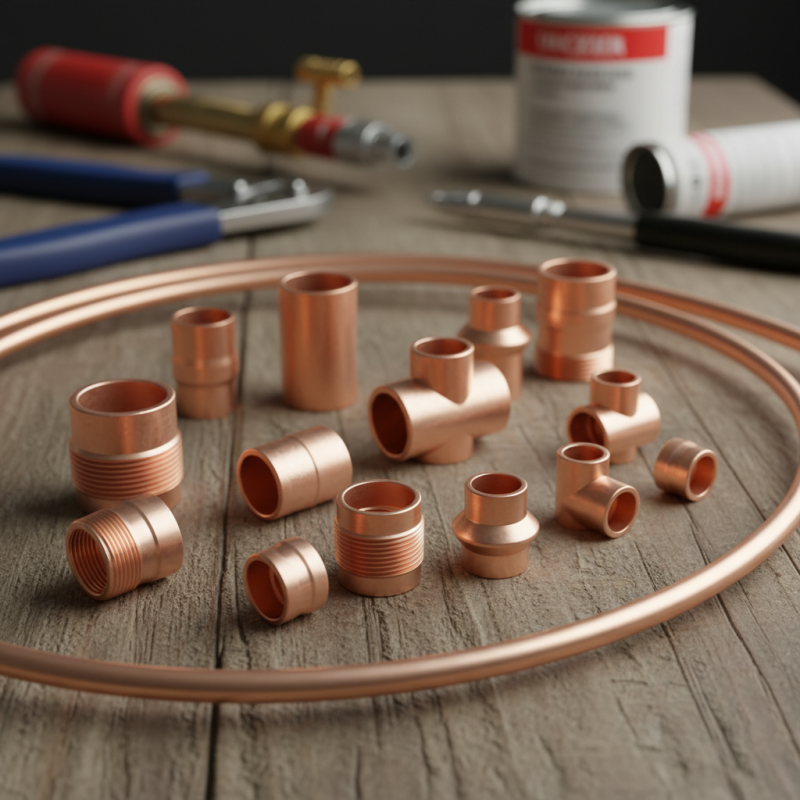
When selecting refrigeration copper fittings, it's crucial to understand the types available. These fittings come in various shapes and sizes, each serving different purposes. Common types include elbows, tees, reducers, and couplings. Each fitting has unique applications in refrigeration systems. For instance, elbows enable direction changes in piping. Tees allow for branching connections.
Material quality is also important. Look for fittings made from high-grade copper to ensure durability and reliability. Proper wall thickness is essential for pressure handling. Be mindful of solder types that work best with certain fittings. Some users may overlook this aspect, leading to potential leaks or system failure. Additionally, consider the fitting's compatibility with existing components. Mismatched sizes can cause inefficiencies.
Another factor is the installation process. Not all fittings are easy to install. Some may require specialized tools and skills. It’s worth evaluating your experience level before choosing complex fittings. Be prepared for potential challenges. Sometimes, even experienced technicians can face issues. Understanding these nuances can significantly impact performance and safety.
How to Choose the Best Refrigeration Copper Fittings for Your Needs?
| Type of Copper Fitting |
Description |
Common Applications |
Size Range (Inches) |
| Elbow |
Used to change the direction of the refrigerant flow. |
Air conditioning units, refrigeration systems. |
1/4 to 2 |
| Coupling |
Connects two pieces of copper tubing together. |
Refrigeration systems, plumbing systems. |
1/4 to 2 |
| Tee |
Creates a branch in the refrigerant line. |
Split systems, multi-system HVAC. |
1/4 to 2 |
| Cap |
Seals the end of a copper line. |
Prevent refrigerant loss in unused lines. |
1/4 to 2 |
| Reducer |
Joins two pipes of different diameters. |
HVAC systems, refrigeration systems. |
1/4 to 2 |
Factors to Consider When Selecting Copper Fittings for Refrigeration
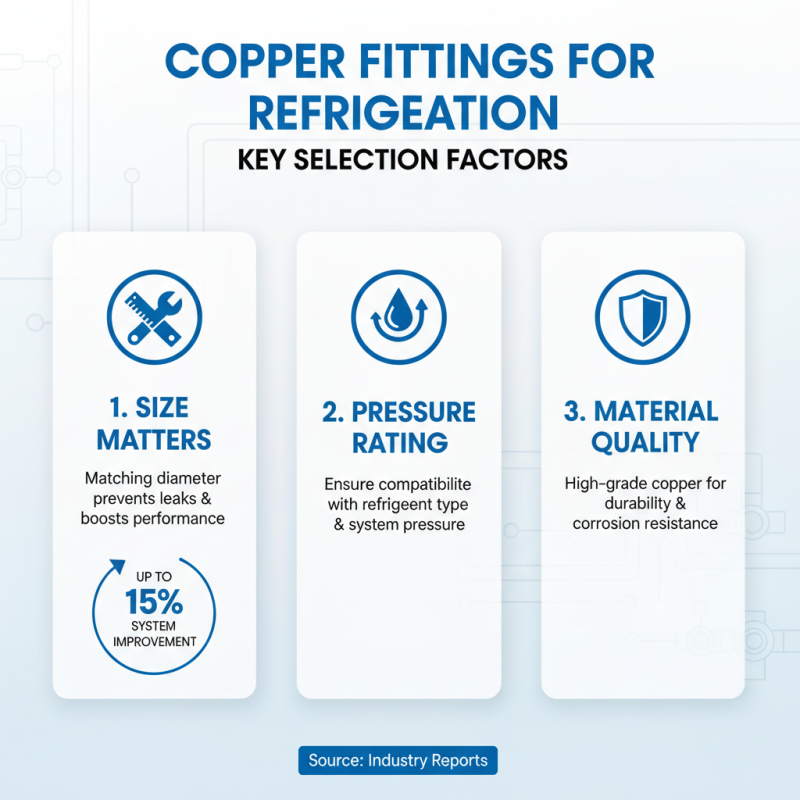
When selecting copper fittings for refrigeration, consider several key factors. The size of the fitting is crucial. A mismatched size can lead to leaks or inefficiencies. According to industry reports, using the correct diameter can improve system performance by up to 15%.
Material quality is another important aspect. High-purity copper fittings resist corrosion and ensure longevity. Research shows that impurities in copper can reduce the lifespan of fittings by as much as 50%. Evaluate the compatibility with refrigerants as well; certain copper alloys perform better under specific conditions.
Tips: Always check for certification standards. Fittings should meet ASTM standards for reliability. Also, inspect for visible defects. Even minor dents can affect functionality.
Pay attention to connection types. Soldered, brazed, and press-fit connections each have their advantages. Inadequate connections can compromise the entire refrigeration system. A detailed evaluation of installation space is crucial for optimal fitting selection. Proper fitting choice can minimize future maintenance needs.
Evaluating the Compatibility of Copper Fittings with Refrigerants
When selecting copper fittings for refrigeration, compatibility with refrigerants is crucial.
Copper's resistance to corrosion and high thermal conductivity make it a popular choice in HVAC systems.
However, not all copper fittings are suitable for every type of refrigerant. For instance, some refrigerants can react with certain metals,
leading to potential leaks. Therefore, understanding the specific refrigerant you plan to use is essential.
Consider the materials involved. Some copper fittings may contain impurities that could compromise their integrity with specific refrigerants.
Always check the specifications before making a purchase. Moreover, the working pressure and temperature range of your system should dictate
the type of copper fitting you choose. You wouldn’t want a fitting that can’t withstand the conditions of your setup.
Tips: Always consult with an HVAC professional. They have the expertise to guide you in selecting the right fittings.
Check for industry standards related to refrigerant compatibility.
This knowledge can save you time and money in the long run.
Regular maintenance can also detect any potential issues that arise from incompatibility early on.
Exploring Sizing and Dimensional Standards for Copper Fittings
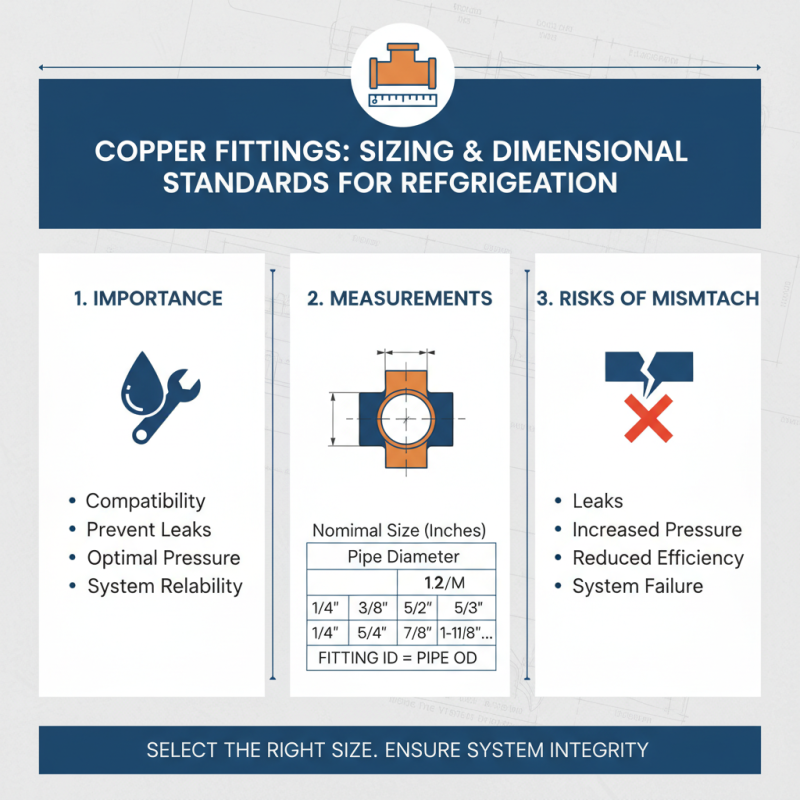
When selecting copper fittings for refrigeration systems, sizing and dimensional standards play a crucial role. Understanding the measurements is essential to ensure compatibility with pipes and other components. Copper fittings come in different sizes, often specified in inches. It’s important to know the diameter of the pipes you are using. A mismatch in sizes can lead to leaks, increased pressure, and potential system failure.
Fittings are typically designed using specific standards, such as the ASTM and ANSI guidelines. These standards ensure that the fittings will fit securely and perform adequately under various conditions. Without adherence to these guidelines, you may experience installation issues. Additionally, consider the wall thickness of the fittings. Thicker walls may provide better durability, especially in high-pressure environments. However, they can also be more expensive and may not always be necessary, leading to choices that require careful evaluation.
When navigating the various options, it’s common to feel overwhelmed. Not all sizes are intuitive, and one may struggle to find the right fit. Consult with industry professionals if you’re uncertain. Prioritizing the correct dimensions can save time and money in the long run. Always double-check your measurements and standards before making a purchase. Reflecting on these details can lead to more informed decisions and a more reliable refrigeration system.
Assessing Quality and Durability in Refrigeration Copper Fittings
When selecting refrigeration copper fittings, assessing quality and durability is crucial. Copper fittings are essential for efficient heat exchange and fluid movement in refrigeration systems. According to a report by the American Copper Council, high-quality copper fittings can enhance system performance while reducing energy consumption by up to 15%. Thus, the choice of material directly impacts operational costs.
It's vital to examine the grade of copper used in manufacturing fittings. Many professionals recommend looking for fittings made from C12200 grade copper. This type exhibits excellent corrosion resistance and thermal conductivity. Yet, some fittings may contain impurities, which can lead to premature failure. Inspecting specifications and certifications ensures the fittings meet industry standards.
Additionally, understanding the manufacturing process adds to selecting durable fittings. Factors like wall thickness, joint design, and soldering methods play a significant role in longevity. Higher wall thickness increases pressure resistance, while well-soldered joints minimize the risk of leakage. However, not all manufacturers prioritize these details. Ensuring the fittings' reliability often requires careful research and consideration of supplier reputations in the industry.