2026 Best Freezer Compressor Replacement Options for Buyers
In the realm of home appliance repairs, the topic of Freezer Compressor Replacement holds significant importance. According to a report by the Appliance Repair Industry Association, compressor issues account for approximately 30% of freezer malfunctions. This highlights the necessity for consumers to understand their replacement options.
Industry expert Dr. Henry Clark emphasizes, "Choosing the right compressor is crucial for energy efficiency and longevity." With many models and brands available, buyers face a challenging landscape. Each option varies in performance, cost, and reliability. A reliable choice can extend the lifespan of your freezer.
Many users may overlook the long-term implications of their selection. A poor-quality compressor can lead to repeated failures, costing far more than initial savings. Therefore, investing time in researching the best options is essential. The benefits of a suitable Freezer Compressor Replacement will outweigh the initial effort and cost.
Top Considerations for Choosing a Freezer Compressor Replacement
Choosing the right freezer compressor replacement is crucial. It affects your freezer's efficiency and longevity. Start by identifying the type of compressor your unit requires. Look at specifications and ratings before making a decision. Not all compressors are compatible, and mismatches can lead to performance issues.
When selecting a replacement, consider the energy efficiency rating. A high-efficiency compressor can save you money on energy bills. Also, assess the noise level of your chosen compressor. Some models operate quietly, while others can be disruptive. Noise can be an overlooked factor, especially in small or shared spaces.
It’s wise to consult professionals for installation to ensure everything operates smoothly. Many people think they can handle it themselves but may miss crucial steps. An improper installation can lead to future problems. Check customer reviews to gauge reliability. Experiences from other users can guide your decision-making process. Remember, taking your time and doing thorough research can lead to better choices.
Types of Freezer Compressors and Their Unique Features
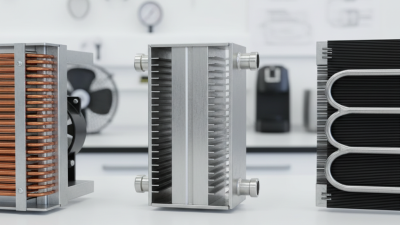
Understanding the types of freezer compressors is crucial for making informed replacement decisions. Freezer compressors can be classified mainly into two categories: reciprocating and rotary. Reciprocating compressors use a piston-driven mechanism. They are known for their durability and efficiency, making them popular for most household freezers. This type often excels in handling fluctuations in temperature, offering reliable performance.
On the other hand, rotary compressors utilize a more compact design with fewer moving parts. This makes them lighter and generally quieter during operation. They tend to be more energy-efficient under certain conditions, which could reduce electricity costs over time. However, their performance can be inconsistent when subjected to heavy loads, leading to potential failures. Users should consider these factors when choosing a replacement.
Every freezer has unique requirements based on size and intended use. Users often overlook their specific needs, leading to mismatched replacements. Knowing the features and limitations of each compressor type enhances decision-making, ensuring optimal freezer performance. Investing time to understand these details is essential for long-term satisfaction.
2026 Best Freezer Compressor Replacement Options for Buyers
| Type of Compressor |
Unique Features |
Efficiency Rating |
Noise Level (dB) |
Price Range |
| Reciprocating |
High efficiency, robust construction |
A++ |
45 |
$150 - $300 |
| Scroll |
Compact, low noise, high performance |
A+++ |
40 |
$250 - $400 |
| Rotary |
Lightweight, suitable for small freezers |
A+ |
50 |
$100 - $250 |
| Centrifugal |
High efficiency in large capacity systems |
A++ |
55 |
$400 - $600 |
Comparison of Costs for Different Freezer Compressor Options
When looking to replace a freezer compressor, understanding the costs of different options is crucial. According to recent industry analyses, the average price range for a replacement compressor varies significantly. On average, homeowners can expect to pay anywhere from $150 to $500 for the unit itself. Installation costs can add another $100 to $300, depending on local labor rates and the complexity of the job.
Choosing the right compressor can be overwhelming. Factors such as energy efficiency ratings and warranty terms should influence your decision. For instance, compressors with higher energy efficiency ratings tend to have higher upfront costs but may offer savings in energy bills over time. A report from the U.S. Department of Energy indicates that efficient compressors can lower energy bills by approximately 20% annually.
Reflecting on your options is essential. Some compressors may offer lower initial costs but could lead to higher maintenance costs down the line. Additionally, inferior brands may lack adequate warranties, leaving consumers vulnerable if issues arise shortly after installation. Therefore, investing time in research could lead to long-term savings and peace of mind.
Step-by-Step Guide to Installing a New Freezer Compressor
Installing a new freezer compressor requires a clear understanding of the process. First, ensure safety by unplugging the freezer. According to the U.S. Department of Energy, improper installation can reduce efficiency by over 30%. Such an impact underlines the importance of careful execution.
Next, remove the old compressor. This often involves disconnecting various lines. In many models, this can be challenging due to rust or age-related wear. Newer components may come with updated fittings, making compatibility an issue. If the new compressor does not fit properly, it may lead to further problems down the line.
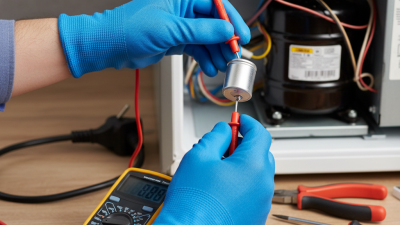
Once the old unit is out, install the new compressor. Follow the manufacturer’s guidelines closely. Connecting the refrigerant lines, the power supply, and any other necessary components requires precision. A small mistake can lead to leaks, affecting your freezer's performance. According to industry reports, leaks are a significant cause of compressor failure. This highlights the need for diligence in the installation process. It’s not just about putting in the new part; it's about ensuring your freezer runs efficiently afterward.
Freezer Compressor Replacement Options in 2026
Maintenance Tips for Prolonging the Life of Your Freezer Compressor
Maintaining your freezer compressor is essential for optimal performance and longevity. Regular cleaning of the condenser coils is often overlooked. Dust and debris can accumulate, leading to overheating and potential compressor failure. Using a soft brush or a vacuum attachment makes this task simple yet effective. Aim to clean these coils every six months or more often if you live in a dusty environment.
Another crucial aspect is monitoring the temperature settings. Freezers should ideally maintain a temperature of 0°F (-18°C) for peak efficiency. If it’s consistently too warm or too cold, issues can arise. Check door seals as well; a faulty seal can cause energy loss and put extra strain on the compressor. If you notice frost buildup or unusual noises, these can be early indicators of problems.
Lastly, consider the placement of your freezer. Ensure it’s in a well-ventilated area, away from heat sources. Allowing proper airflow helps in maintaining ideal operating conditions. The space around your freezer is just as important as its internal settings. Small adjustments can yield significant benefits, helping you avoid costly repairs down the road.