Best Filter Dryer for Compressor in 2026 What to Look For?
Choosing the right filter dryer for compressor systems is crucial for optimal performance. In 2026, advancements in filter dryer technology continue to emerge, making it essential to understand what to look for in a quality product. A reliable filter dryer for compressor applications minimizes moisture and contaminants, helping to protect equipment and ensure efficiency.
When selecting a filter dryer, consider the design and materials used. A robust construction enhances durability and longevity, critical in demanding environments. Look for features such as high filtration capacity and low pressure drop. These elements can affect the overall efficiency and performance of your compressor system.
It’s important to remember that not all filter dryers are created equal. Evaluate the manufacturer’s reputation and certifications. This information can provide insights into product reliability and effectiveness. While many options may claim to be the best, thorough research is necessary to find the ideal filter dryer for compressor needs, ensuring your investment meets expectations and enhances system life.
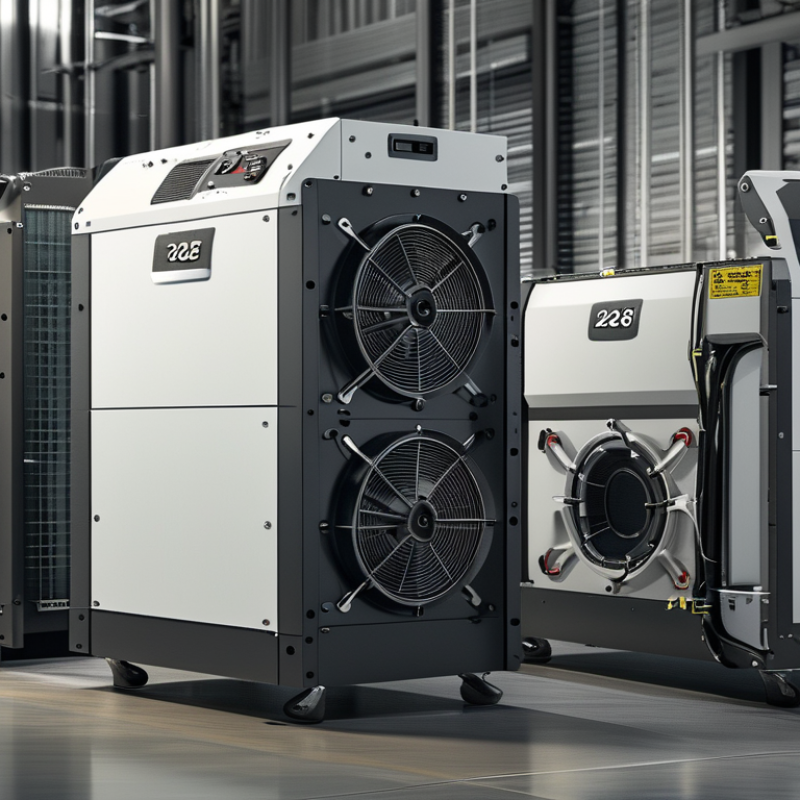
Key Features to Consider When Choosing a Filter Dryer for Compressors
When selecting a filter dryer for compressors, consider the critical features that ensure optimal performance. One vital aspect is the dryer capacity. A study from the International Institute of Compressors indicated that systems with inadequate drying capacity can experience up to 20% reduced efficiency. This can lead to higher energy costs and increased maintenance needs.
Another essential feature is the type of drying method. Desiccant dryers are popular for their ability to remove moisture effectively. According to a 2023 report by the Compressor Research Association, these dryers can achieve dew points as low as -40°F. However, they can be costly to maintain. Alternatively, membrane dryers are often overlooked. They provide a balance between performance and cost, with lower energy requirements.
Monitoring systems are also crucial. Many modern filter dryers come equipped with sensors that provide real-time data. This capability allows for quick adjustments, maintaining efficiency. A lack of monitoring can lead to unnoticed issues, causing expensive failures later. Systems without these features may seem reliable initially, but they can become a liability in the long run. An informed decision can prevent potential setbacks in compressor operations.
Types of Filter Dryers Suitable for Different Compressor Applications
When selecting a filter dryer for compressors, understanding the various types available is crucial. Each type serves specific applications, shaping the operational efficiency and longevity of the compressor. For example, desiccant dryers are ideal for applications in industries where moisture levels must be kept extremely low. These dryers can reach dew points as low as -40°F, ensuring the integrity of sensitive equipment.
Membrane dryers, on the other hand, operate differently. They separate moisture from the compressed air stream using selective permeation. This type is suitable for applications with moderate moisture control needs. A study by the Compressed Air and Gas Institute (CAGI) indicates that significant energy savings can be achieved by properly matching dryer types to application requirements. Inadequate drying can lead to corrosion and operational inefficiencies, emphasizing the importance of the right choice.
Refrigerated dryers are another popular option. These dryers cool the compressed air to condense moisture. They are generally cost-effective for general-purpose applications. However, their dependence on ambient temperature can be a weakness, particularly in variable climate conditions. In some cases, users may overlook this aspect, leading to potential performance issues. Each type has its benefits and drawbacks, demanding careful consideration based on specific compressor applications.
Best Filter Dryer for Compressor in 2026: Types and Applications
Efficiency Ratings and Performance Metrics for Filter Dryers
When evaluating filter dryers for compressors in 2026, efficiency ratings are crucial. These ratings indicate how well a dryer removes moisture and contaminants. According to recent reports, an effective filter dryer can achieve moisture removal efficiency of over 99%. This high performance is vital for protecting compressor components and enhancing overall system reliability.
Performance metrics should also include the flow rate and pressure drop across the dryer. Studies reveal that optimal dryers maintain minimal pressure drops while supporting high flow rates. A pressure drop exceeding 2 psi can significantly impact compressor efficiency, leading to increased energy costs. Users should strive for a balance between performance and energy consumption.
It’s essential to consider the durability and maintenance needs of filter dryers. Some models require frequent replacements or servicing, which can lead to downtime. Ideally, a dryer should offer long filters with easy access for change-outs. This oversight can detract from a system's efficiency. Ultimately, understanding these metrics is key to selecting the right filter dryer for your needs in 2026.
Maintenance and Longevity of Filter Dryers in Compressor Systems
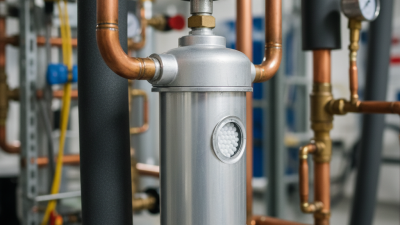
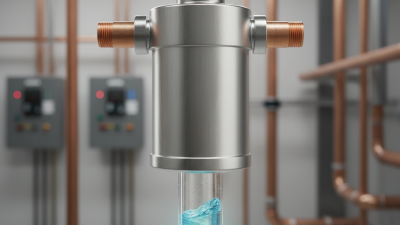
Filter dryers play a crucial role in compressor systems. They help remove moisture and contaminants from the refrigerant, ensuring optimal performance. Regular maintenance of filter dryers can significantly enhance the lifespan of the entire system. However, neglecting this aspect can lead to severe issues. Dirty or clogged filters can restrict airflow, causing strain on the compressor.
To maintain filter dryers effectively, periodic checks are essential. Operators should inspect and replace filters as needed. Scheduling maintenance during off-peak hours can minimize disruptions. Monitoring system performance also helps identify early signs of deterioration. If there’s a decrease in efficiency, it may indicate a problem with the filter dryer.
Upgrading to modern filter dryer technology can improve reliability. Newer designs often include features that facilitate maintenance. However, not all options are foolproof. Some may require specialized knowledge for optimal use. Operators should weigh the benefits against potential challenges in maintenance.
Future Trends and Innovations in Filter Dryer Technology for 2026
As we look toward 2026, the landscape of filter dryer technology for compressors is set to evolve significantly. Innovations in materials and designs will play a crucial role. Manufacturers are exploring advanced materials that improve energy efficiency and durability. Lightweight composites could become a standard, enhancing overall performance. This could lead to a reduction in maintenance costs and improved reliability.
Smart technology is likely to integrate more into filter dryers. Sensors that monitor humidity levels and filter integrity may become commonplace. This data-driven approach allows for real-time adjustments, ensuring optimal performance. However, the challenge lies in balancing technology with usability. Not everyone is tech-savvy; thus, devices need to remain user-friendly.
Moreover, sustainability is becoming a priority. The industry is shifting towards eco-friendly refrigerants and recyclable materials. Yet, achieving this balance poses a dilemma. Developing sustainable solutions must not compromise performance. The trend toward greener technologies may require ongoing research and development. The journey ahead is filled with potential obstacles and opportunities.
Best Filter Dryer for Compressor in 2026 - Key Features and Innovations
| Feature |
Description |
Expected Benefits |
Innovations |
| Energy Efficiency |
Utilizes advanced thermodynamic principles to minimize energy usage. |
Lower operational costs and reduced environmental impact. |
Integration of AI for optimizing energy consumption. |
| Compact Design |
Smaller footprint that fits into tight spaces without compromising performance. |
Enhanced installation flexibility and reduced maintenance areas. |
Modular components for customized configurations. |
| Smart Technology |
IoT-enabled features for real-time monitoring and control. |
Improved reliability and proactive maintenance alerts. |
Mobile app for remote management and diagnostics. |
| High Filtration Efficiency |
Advanced filter media captures finer particulates and moisture. |
Extended equipment life and improved air quality. |
Nanotechnology in filter material for superior performance. |
| Ease of Maintenance |
Tool-less filter replacement and easy access for cleaning. |
Reduced downtime and labor costs during maintenance. |
Self-cleaning filters through innovative design. |