Top China Best Refrigeration Copper Fittings for Your Needs?
When selecting the best refrigeration copper fittings, understanding your specific needs is paramount. These components play a vital role in HVAC and refrigeration systems. They ensure that cool air circulates smoothly and efficiently. Quality fittings can reduce energy costs and improve system performance.
China offers a rich selection of refrigeration copper fittings. You can find various sizes and types available to suit different systems. However, not all products meet high-quality standards. It's crucial to look for reputable suppliers. Some products may seem appealing due to low prices, but they could have serious drawbacks.
Using the right refrigeration copper fittings can lead to significant long-term benefits. Ensuring proper installation and maintenance is also important. Neglecting these factors can lead to inefficiencies. Choose wisely and invest in quality fittings for optimal results.
Understanding the Importance of Quality Refrigeration Copper Fittings
When discussing refrigeration systems, the importance of quality copper fittings cannot be overstated. These fittings serve as the backbone of any refrigeration setup. They ensure efficient fluid transport and minimize energy loss.
Recent industry reports indicate that high-quality copper fittings can improve system efficiency by up to 20%. This improvement can lead to significant reductions in energy costs. Conversely, using subpar fittings may result in leaks and increased maintenance costs over time. A study showed that nearly 30% of operational failures in refrigeration systems stem from inadequate fittings.
Additionally, it’s essential to consider the long-term implications of using low-quality materials. Cheap copper fittings might save money upfront. However, they can lead to higher overall costs due to repairs and replacements. Poorly made fittings can corrode quickly, compromising system integrity. The decision to prioritize quality over initial savings is crucial for an efficient and reliable refrigeration setup.
Key Features to Look for in Copper Fittings for Refrigeration Use
When selecting copper fittings for refrigeration, certain key features stand out. Durability is paramount. High-quality copper withstands low temperatures and minimizes corrosion. According to industry studies, corrosion can weaken performance by 15%. This highlights the need for reliable materials.
Size and compatibility are crucial factors as well. Copper fittings come in various shapes and dimensions. A precise fit enables efficient refrigeration systems. Experts suggest that improper sizing can lead to leaks, decreased efficiency, and increased energy costs. Some fittings may not align perfectly with standard pipes, requiring adjustments.
Another aspect to consider is the thermal conductivity of copper. It efficiently transfers heat in refrigeration systems. Reports indicate that copper has a thermal conductivity rating of about 400 W/mK. This property ensures optimal cooling performance. Nevertheless, manufacturers may cut costs, resulting in subpar conductivity in low-quality products. Always verify specifications before purchasing.
Top China Best Refrigeration Copper Fittings
Overview of Top Manufacturers and Brands in China for Copper Fittings
When looking for refrigeration copper fittings in China, it's essential to consider the top manufacturers and brands available. These companies often focus on high-quality materials and innovative designs. They produce a variety of fittings that cater to different refrigeration needs. From connectors to valves, selecting the right type is crucial for optimal system performance.
Let's delve into some tips for choosing copper fittings. Pay attention to the fitting dimensions. Ensure they match your refrigeration system specifications. Quality is key; look for signs of good craftsmanship. Sometimes, imported products may not meet local standards. A small miscalculation can lead to leaks or system failures.
Another tip: consider the manufacturer's reputation. Some might claim to offer the best, but reviews often tell a different story. Investigate their history and customer feedback. It’s important to balance performance and cost. Not all expensive items guarantee quality. It's wise to reflect on your own experiences before making a purchase.
Top China Best Refrigeration Copper Fittings for Your Needs
| Fitting Type |
Material Grade |
Application |
Size Range |
Manufacturing Process |
| Copper Elbow |
C12200 |
HVAC Systems |
1/4" to 2" |
Hot Extrusion |
| Copper Tee |
C11000 |
Refrigeration Systems |
1/4" to 4" |
Casting |
| Copper Coupling |
C12200 |
Plumbing |
1/2" to 3" |
Forging |
| Copper Cap |
C11000 |
HVAC and Refrigeration |
1/4" to 2" |
Pressing |
| Copper Union |
C12200 |
Refrigeration Lines |
1/4" to 10" |
Welding |
Comparative Analysis of Different Types of Copper Fittings Available
When selecting copper fittings, it is essential to consider the different types available on the market. Each type has its specific applications and benefits. For instance, solder fittings require precise connections and are suitable for more permanent installations. They offer excellent durability but may need more technical skills to install properly.
On the other hand, flare fittings are user-friendly and can be installed quickly. These fittings provide a secure connection, making them popular for refrigeration systems. However, their susceptibility to leaks if not properly tightened can be a drawback. Compression fittings are another option, allowing for a tight seal without soldering or flaring. While convenient, they can sometimes lead to issues if the surfaces are not cleaned adequately.
Remember, the quality of installation is crucial. Even the best fittings can fail if not installed correctly. Regular maintenance is equally important to check for leaks or wear. Each type of fitting comes with unique challenges, requiring careful consideration and attention to detail. Selecting the right fit is about understanding your specific needs and potential pitfalls.
Best Practices for Selecting and Installing Copper Fittings in Refrigeration Systems
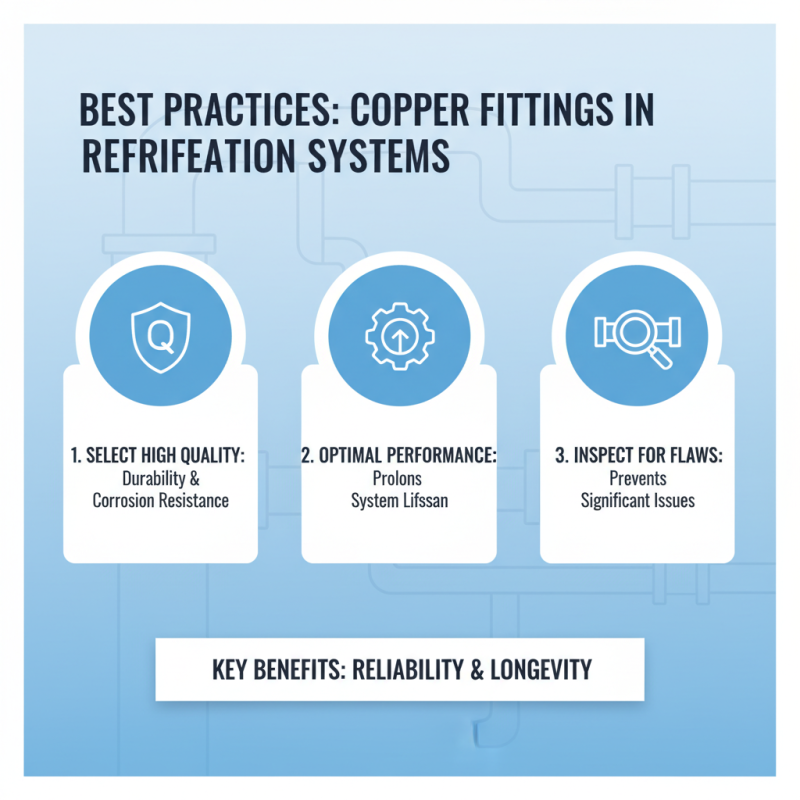
When selecting copper fittings for refrigeration systems, quality is paramount. Copper fittings are essential for ensuring optimal performance. Look for fittings that offer durability and resistance to corrosion. By choosing high-quality materials, you prolong the lifespan of your systems. Inspect fittings for any visible flaws, as defects can lead to significant issues down the line.
Installation is another critical aspect to consider. Properly soldering fittings can prevent leaks. Always clean the surfaces before joining fittings. A clean bond ensures better coupling and reduces the risk of failure. Use appropriate flux and solder for a secure connection. Pay attention to the alignment of pipes. Misalignment can create stress points that may compromise your system.
Also, review your installation workspace regularly. Ensure it remains free of debris and distractions. An organized environment helps maintain focus. Mistakes can happen, and they often lead to costly repairs. So, learning from past experiences is vital in achieving better results. Always keep a checklist handy to track your installation process.